
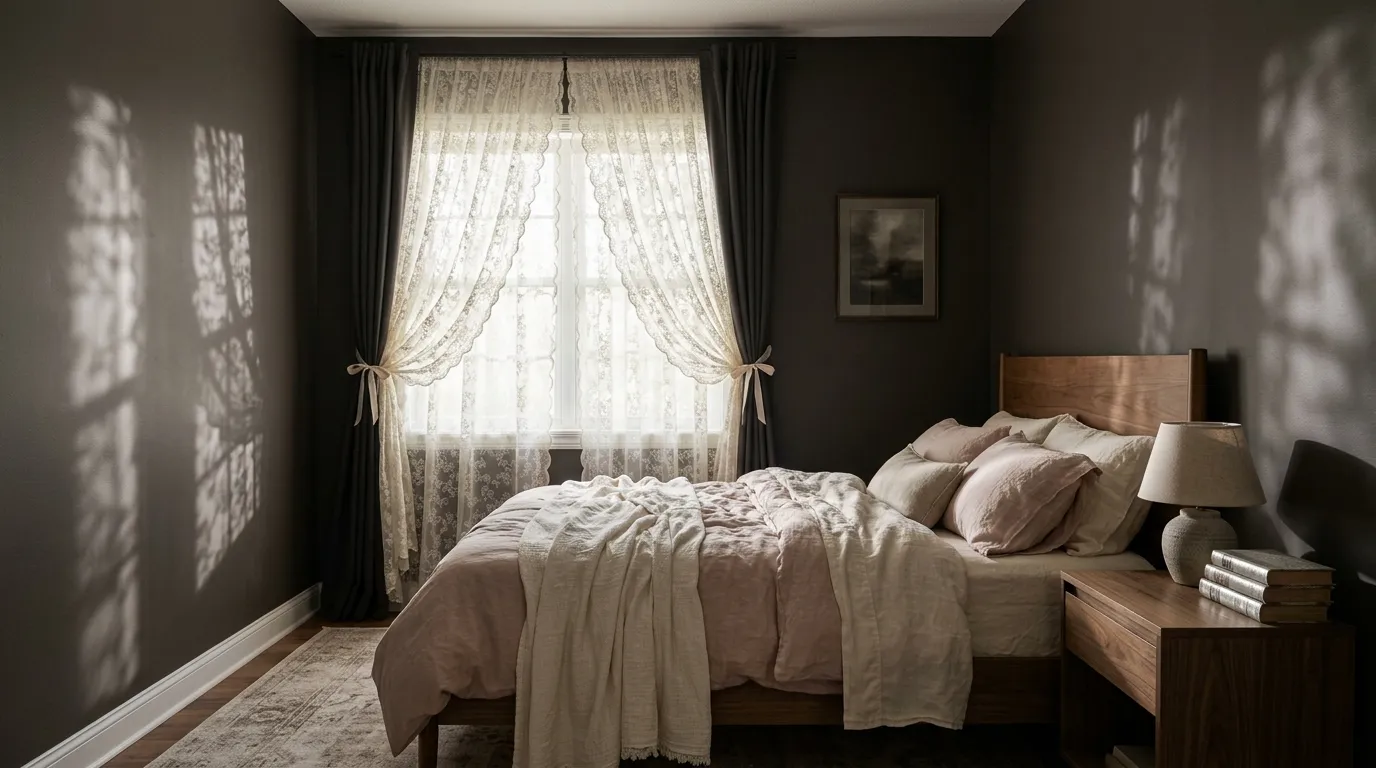
24 Delicate Lace Curtains Bedroom Ideas for Soft Charm
Soft lace can make even the smallest bedroom feel warmer, lighter, and more inviting. These Lace curtains bedroom ideas show how delicate fabric can add privacy, texture, and romantic charm without making your space feel crowded or expensive.
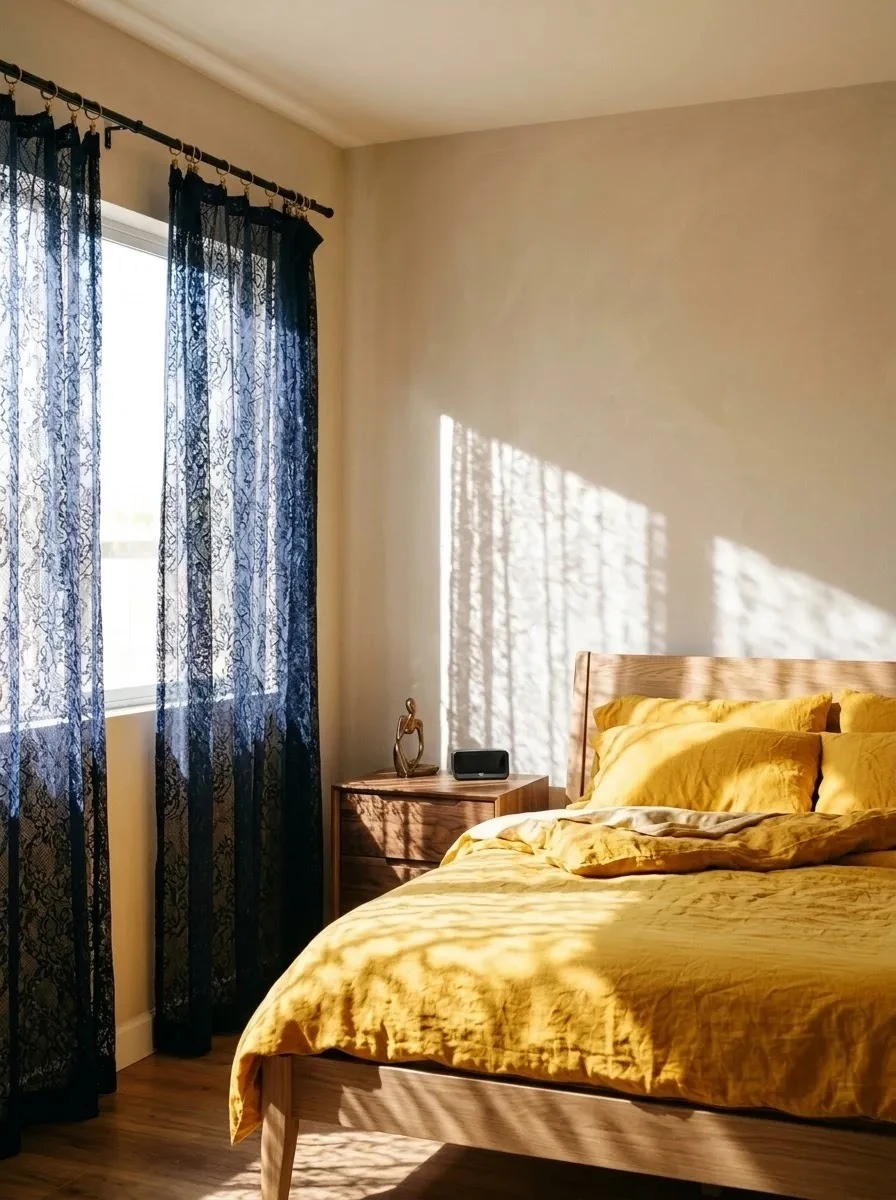
From scalloped panels and café styles to layered sheers, lace trims, and renter friendly tension rod setups, each idea gives you a practical way to dress your window beautifully. Many of these options are simple enough for beginners and flexible enough for an affordable decorating budget. In my experience, small window changes often have a surprisingly strong effect because curtains influence both the natural light and the mood of the entire room. Whether your bedroom feels plain, dark, or unfinished, these ideas can help you create a softer and more polished look that still feels comfortable for everyday living.
Scalloped Lace Panels
A scalloped edge gives lace curtains a finished decorative shape without needing heavy trim or expensive hardware. In a small room, that soft outline draws attention toward the window while keeping the fabric visually light. A warm ivory shade also blends easily with beige, blush, taupe, and natural wood.
For a Lace curtains bedroom look that feels polished rather than overly formal, choose panels with a simple repeating pattern and modest scallops. I’ve noticed that smaller motifs usually work better in compact bedrooms because oversized lace patterns can dominate the window and make the surrounding wall feel busier.
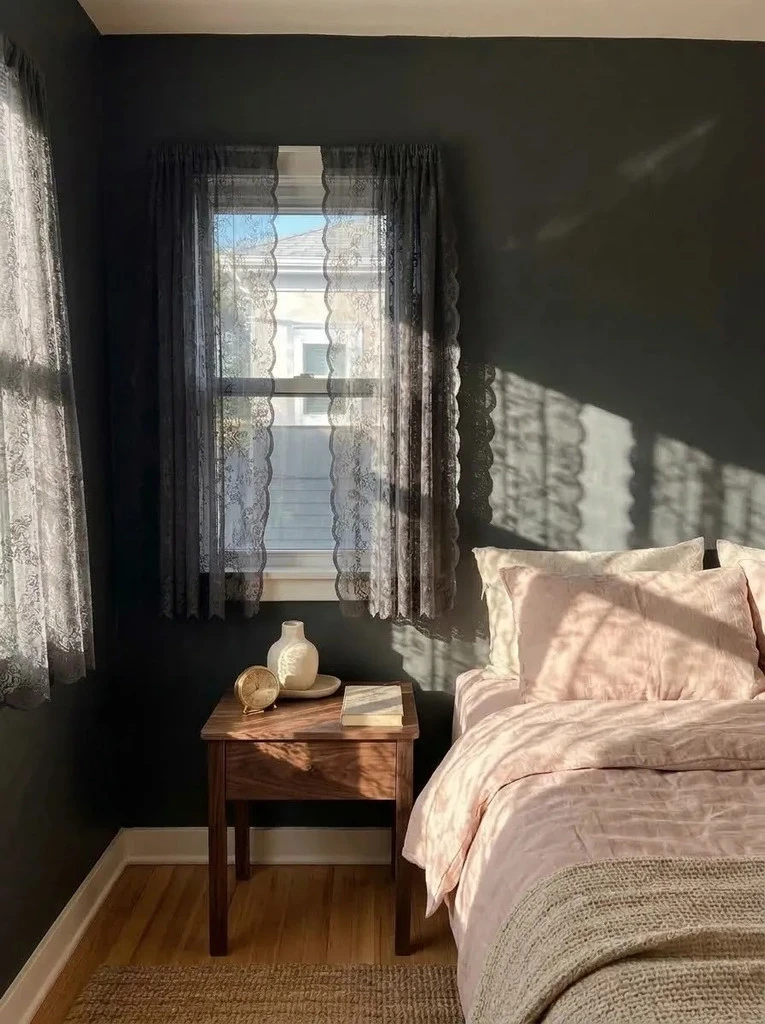
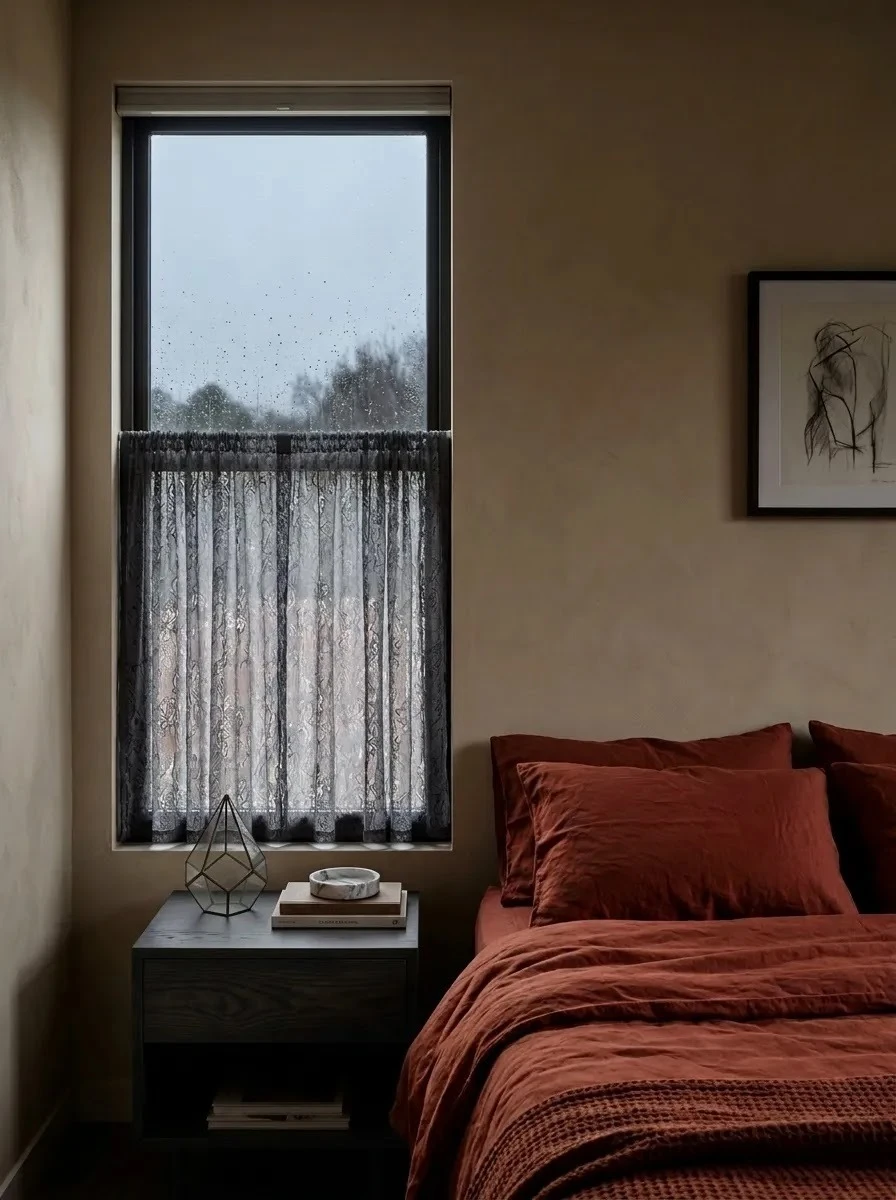
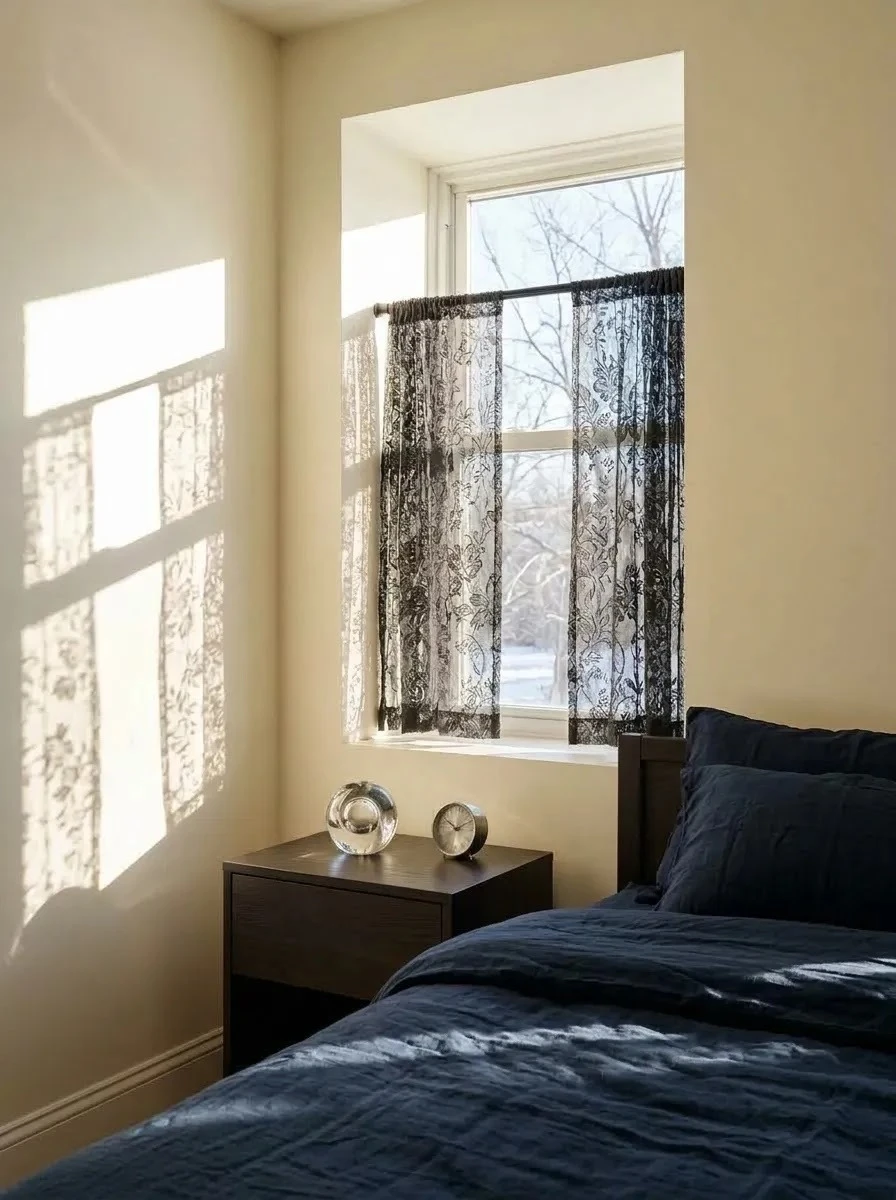
Café Lace Pairing
- Hang the lace across the lower half of the window so daylight can still enter from above.
- Choose white or soft cream fabric to keep a small bedroom feeling open and fresh.
- Use a slim brass or wood café rod rather than bulky curtain hardware.
- Keep nearby bedding mostly solid so the lace pattern remains the visual detail.
- Check the curtain height while standing and sitting to make sure privacy feels comfortable.
Café styling works especially well for bedrooms facing gardens, courtyards, or quieter streets. The lower fabric gives useful coverage without blocking the brightest part of the window. For budget decorating, it also requires less material than full window panels, making detailed lace easier to use without raising the overall cost.
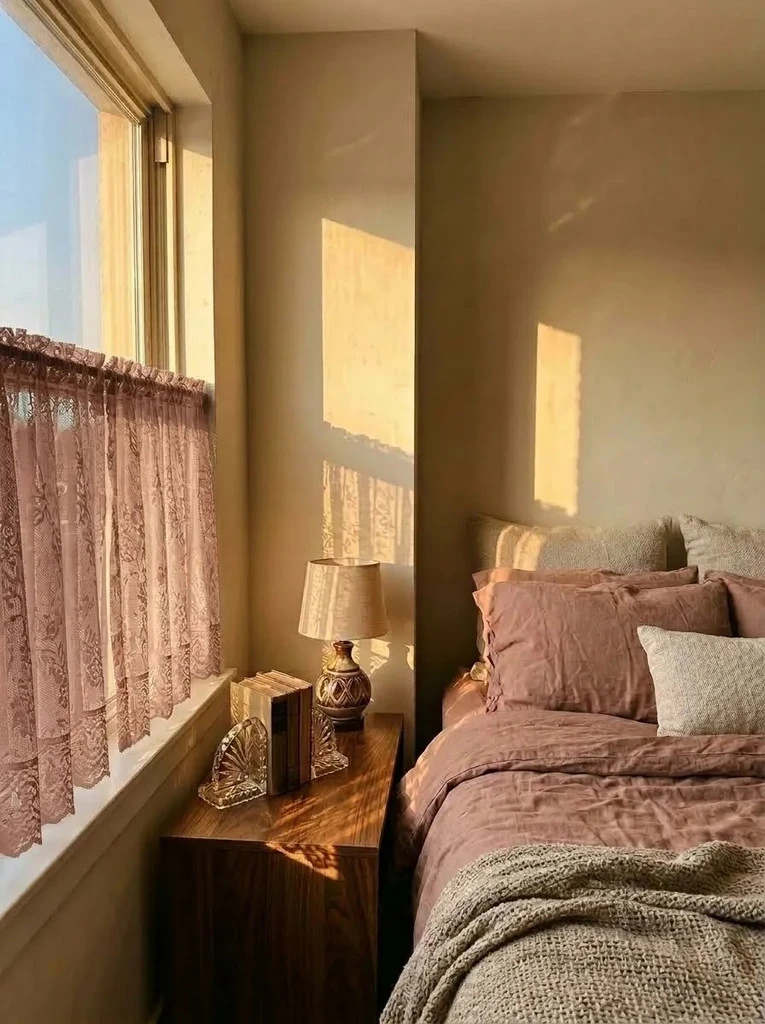
Lace Window Insert
Quick Tip:
Measure the visible glass area before cutting the lace, then leave a small extra margin for securing the edges neatly. Choose lightweight lace with an open pattern so the room still receives plenty of daylight.
A fitted insert is useful where regular curtains would crowd a narrow wall, desk, or bedside table. The fabric stays close to the glass, so no floor or wall space is lost. This treatment also works well for beginners because a simple removable frame can make cleaning and changing the lace much easier.
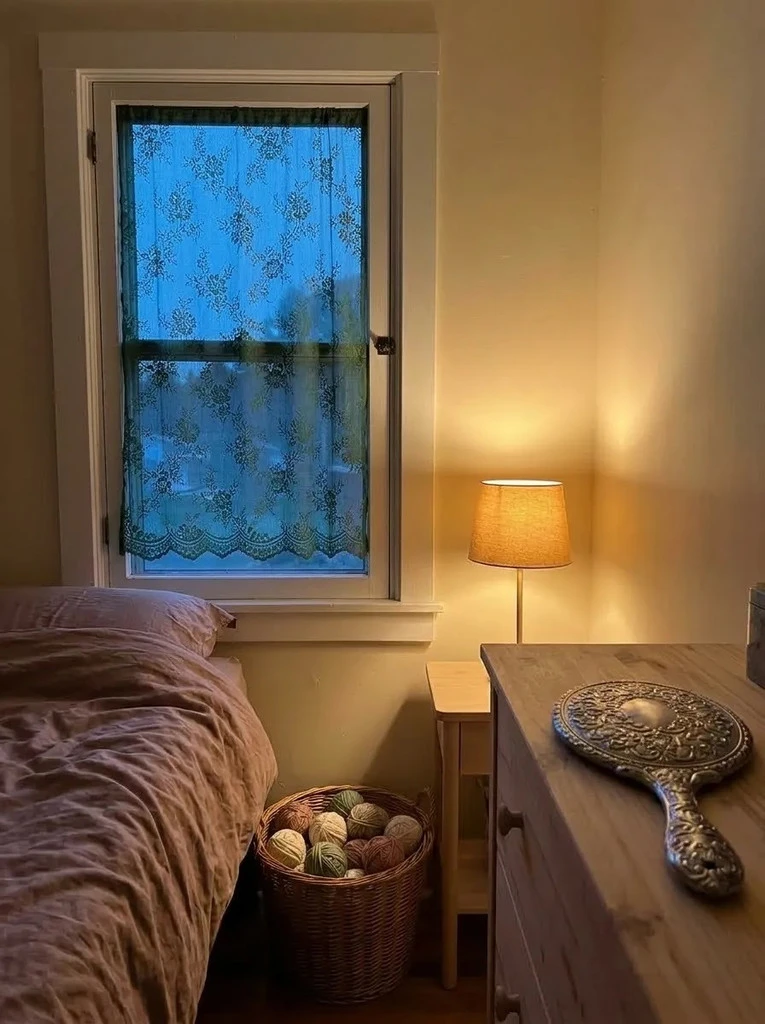
Layered Lace Sheers
BEFORE:
A single curtain layer can leave the window feeling flat and may not give enough privacy at night. Thin lace alone can also expose too much once indoor lights are switched on.
AFTER:
Layering lace behind solid panels adds softness during the day and better privacy after dark. The two fabrics also create more depth without taking up much visual space.
Layered curtains work especially well in small bedrooms because they give you control over light throughout the day. Keep the outer panels plain and let the lace provide the pattern. In my experience, this balance prevents the window area from becoming too decorative while still giving the room a soft, finished look.
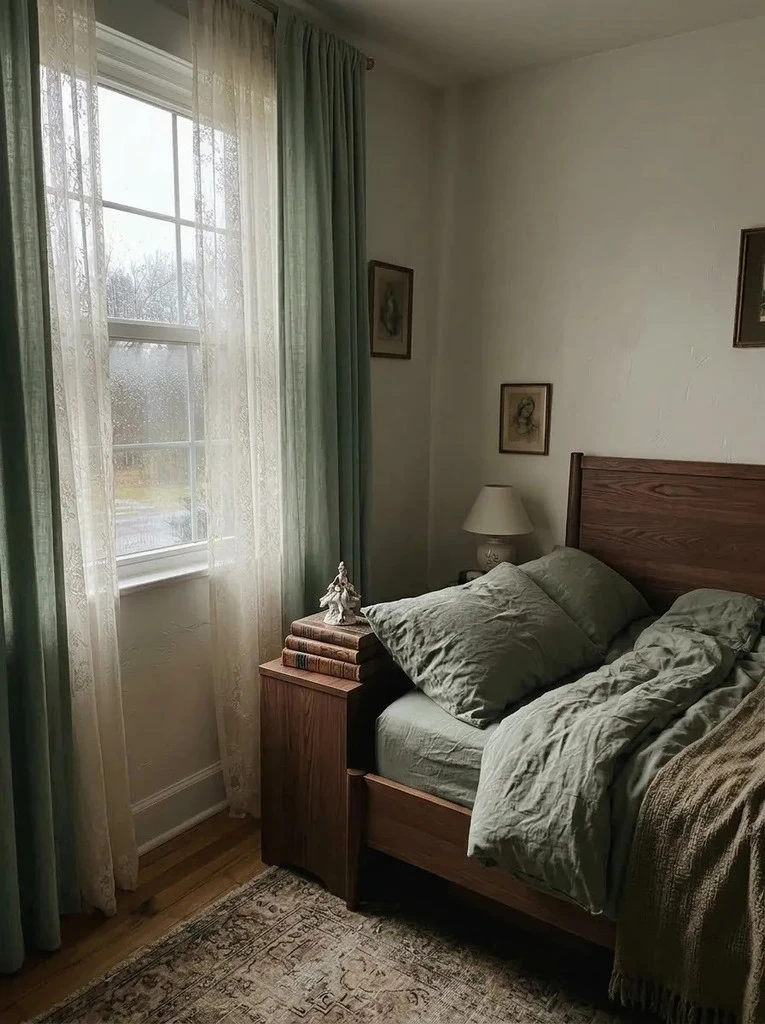
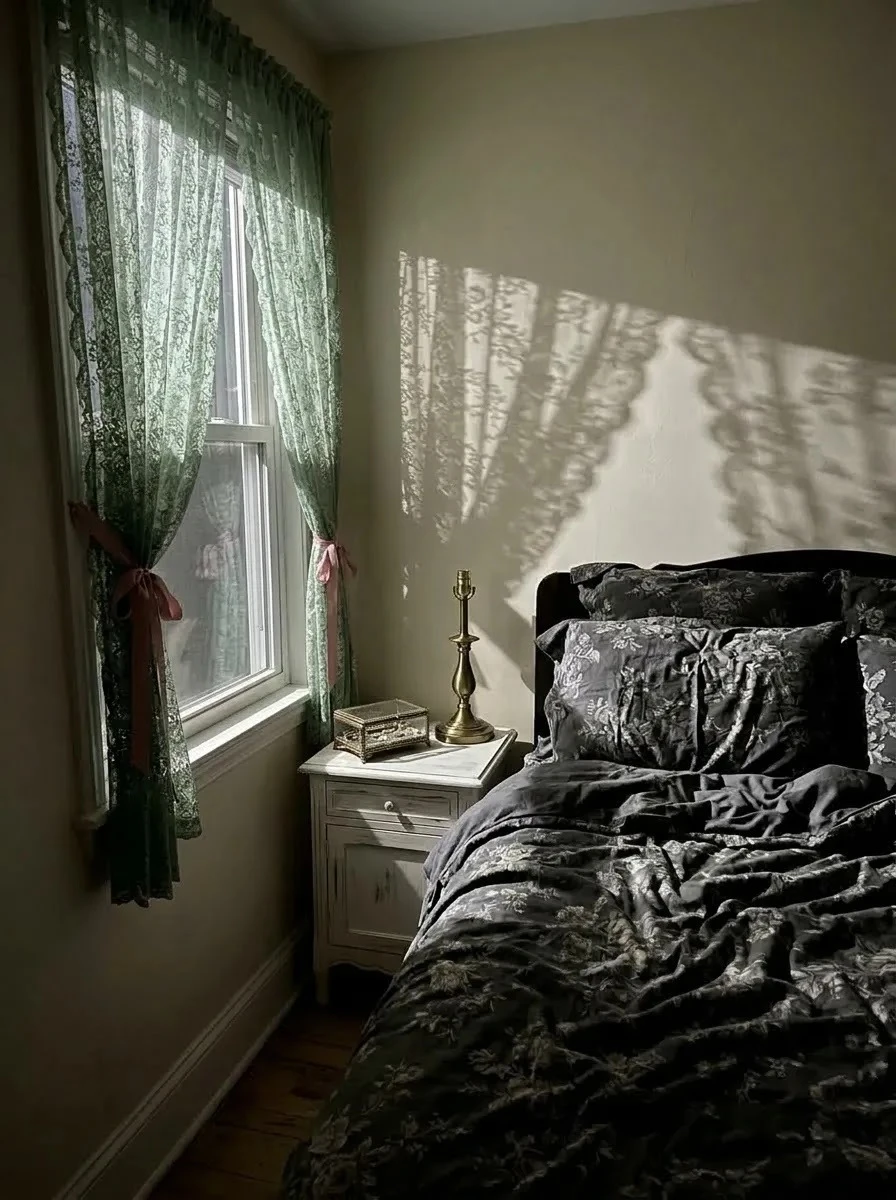
Ribbon Tie Lace Panels
- Choose lightweight lace panels that gather easily without creating bulky folds.
- Select ribbon in dusty rose, beige, ivory, or another color already used in the bedding.
- Tie each panel loosely at the middle or slightly below center for a relaxed shape.
- Adjust both sides evenly so the window still receives enough daylight.
Ribbon ties give plain lace curtains a decorative update without requiring new rods or hardware. They are especially helpful for budget conscious decorating because a small amount of ribbon can change the whole window treatment. Keep the bows simple and soft so the finished result feels charming rather than overly formal.
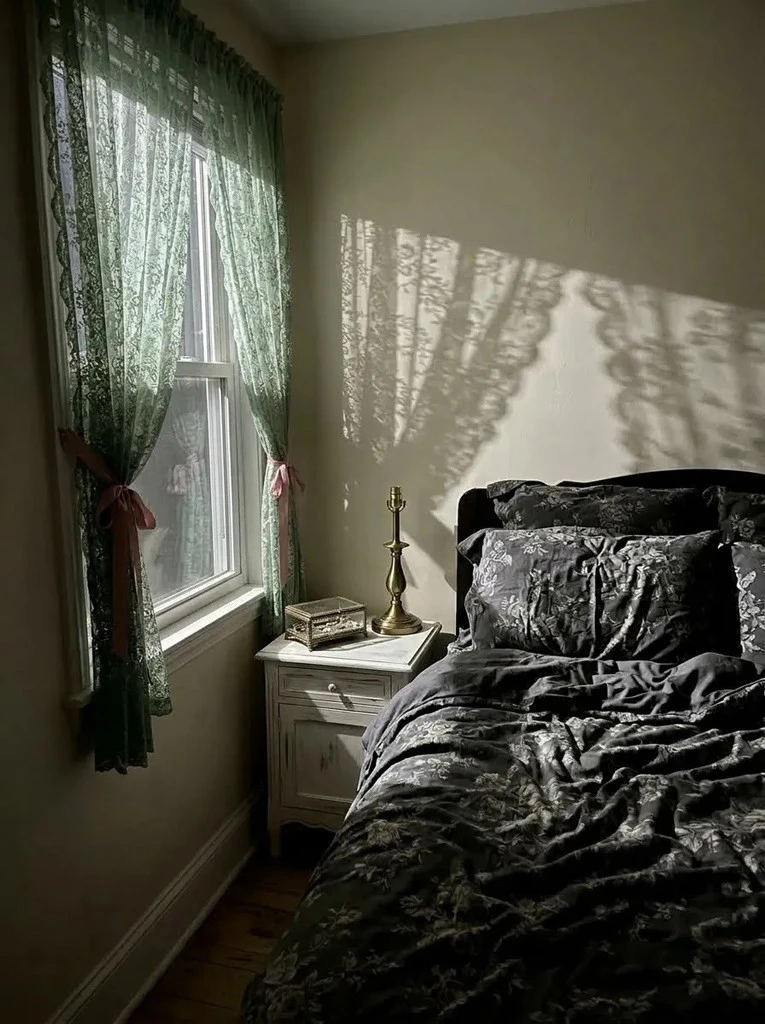
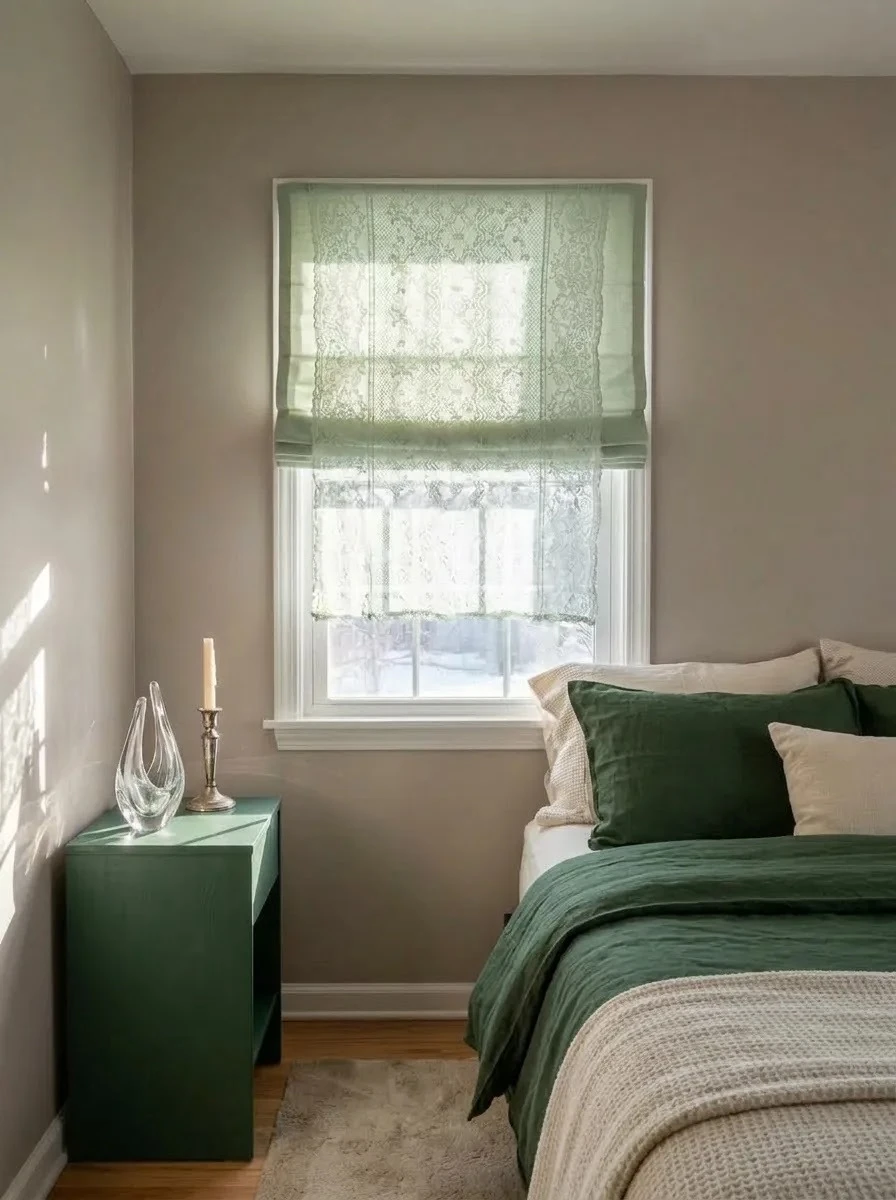
Lace Roman Overlay
| Detail | Plain Roman Shade | Lace Overlay |
| Texture | Smooth and simple | Soft and patterned |
| Light Effect | Clean filtered light | Decorative filtered glow |
| Style | Minimal | Romantic and detailed |
| Best Use | Modern rooms | Soft vintage inspired rooms |
A lace overlay adds visual detail without introducing loose fabric around the window, which makes it useful beside beds, desks, or narrow walkways. Choose a subtle lace pattern and attach it smoothly so the folds remain neat. This works best when the base shade is light enough to keep the room feeling open.
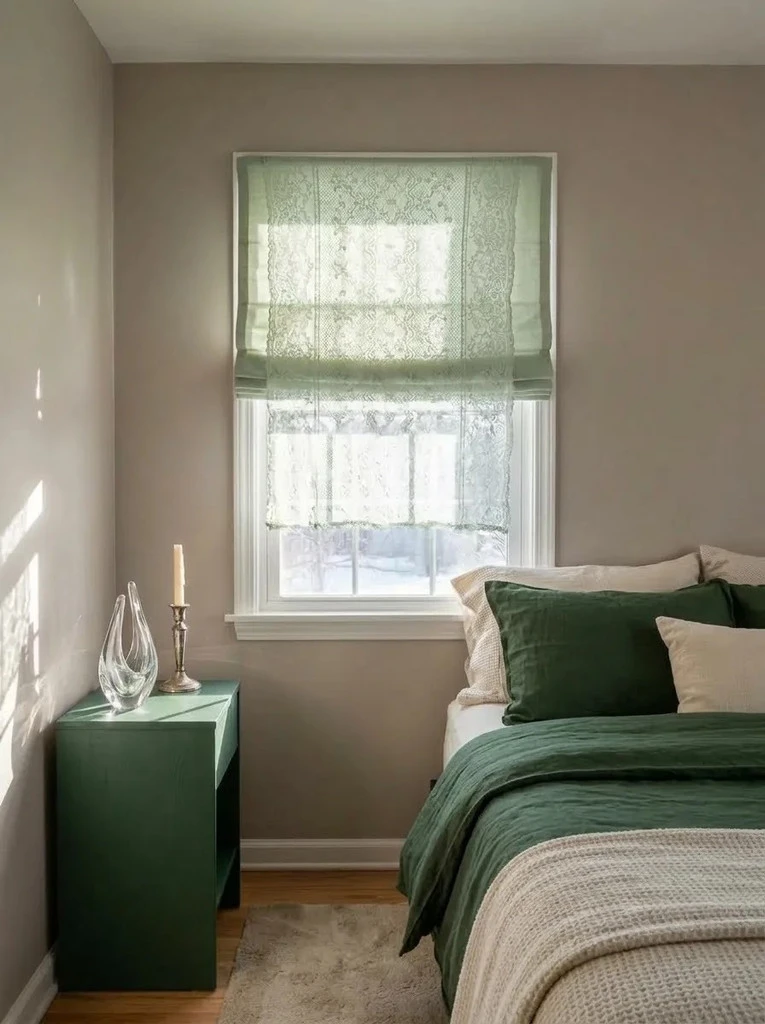
Embroidered Lace Borders
DO
- Choose a narrow embroidered border so the curtain still feels light.
- Match the embroidery color to bedding or nearby soft furnishings.
- Keep the main curtain fabric plain so the border remains noticeable.
- Position the detailed edge where natural light can highlight its texture.
DON’T
- Combine several bold lace patterns around the same window.
- Use very heavy embroidery on thin rods.
- Let decorative borders drag across the floor.
- Pair intricate lace with overly busy wallpaper nearby.
Embroidered edging adds detail without covering the entire curtain in pattern. It is a practical choice for smaller rooms where too much decoration can quickly feel crowded. A narrow floral or geometric border gives the window character while leaving the center sheer enough to keep daylight moving through the room.
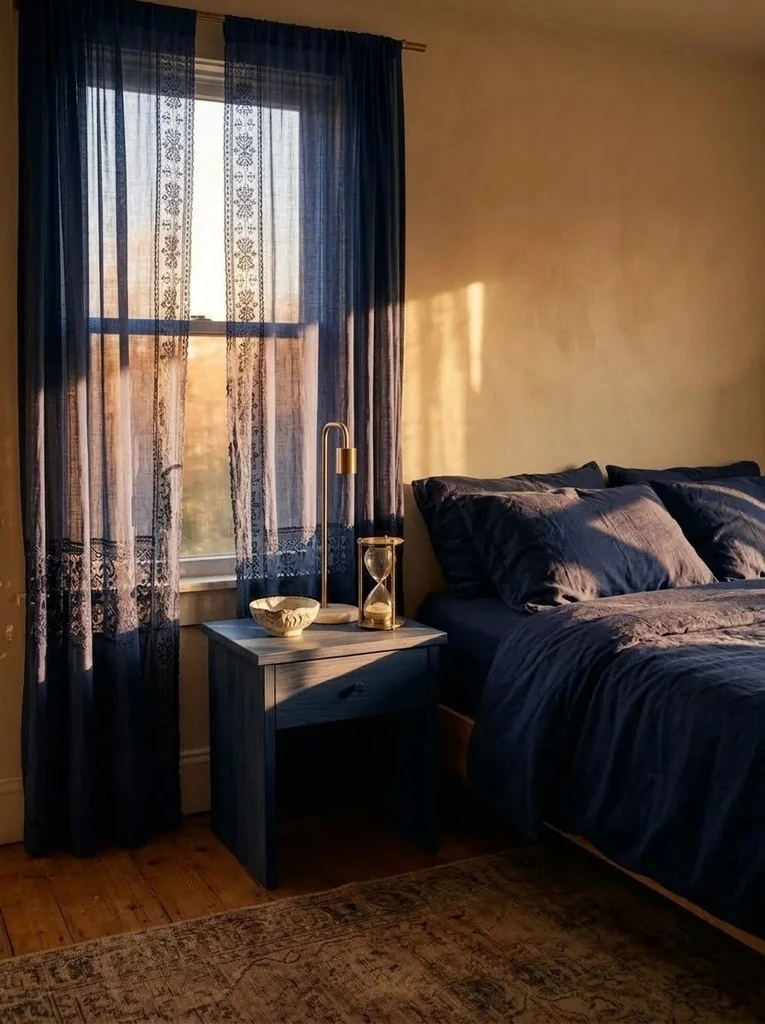
Soft Beige Lace
Cost: Low to Moderate
Skill Level: Beginner
Best For: Warm neutral bedrooms
Light Effect: Soft filtered daylight
Beige lace is useful when bright white curtains feel too sharp against warm paint, timber, or cream bedding. The softer tone creates less contrast around the window and can make the whole room feel calmer. Choose a beige that is close to your wall color rather than noticeably darker for the most balanced result.
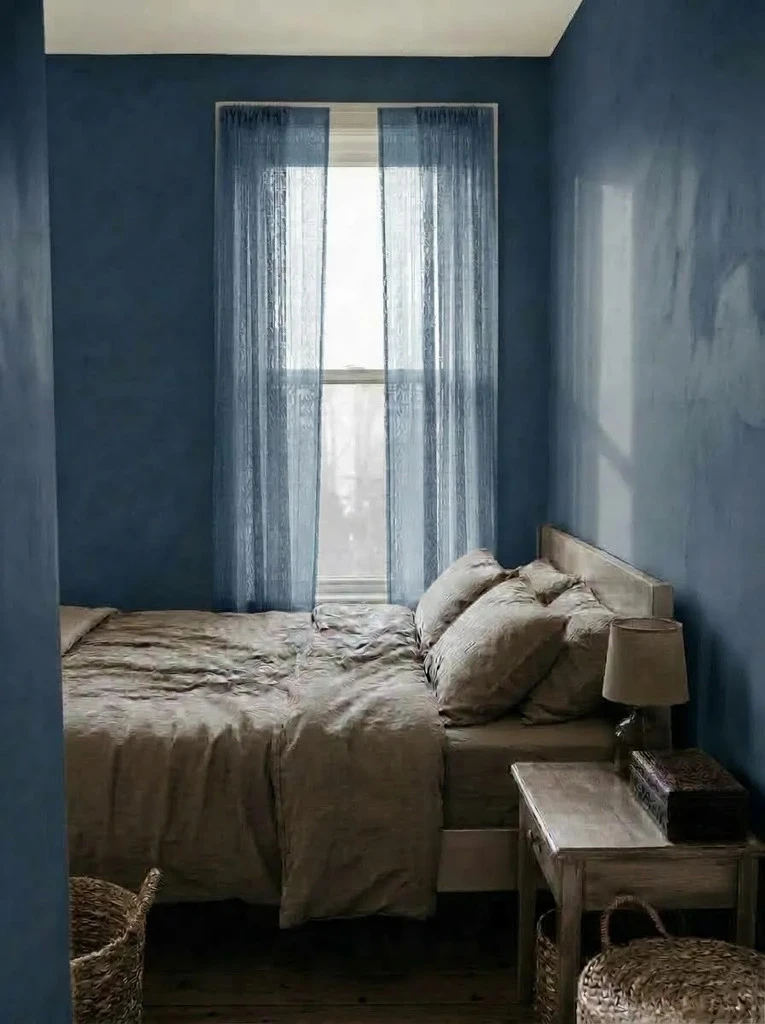
Ceiling Mounted Lace
Mounting lace curtains close to the ceiling makes the window area appear taller and gives a compact bedroom stronger vertical lines. The fabric should fall neatly toward the floor without excessive pooling, especially where walking space beside the bed is limited. This keeps the treatment graceful rather than bulky.
I’ve seen this work particularly well in rooms with standard height windows because the higher starting point shifts attention upward. Choose a discreet track and lightweight lace so the hardware almost disappears. Keep the curtain width controlled too, since oversized folds can reduce valuable wall space around a small bedroom window.
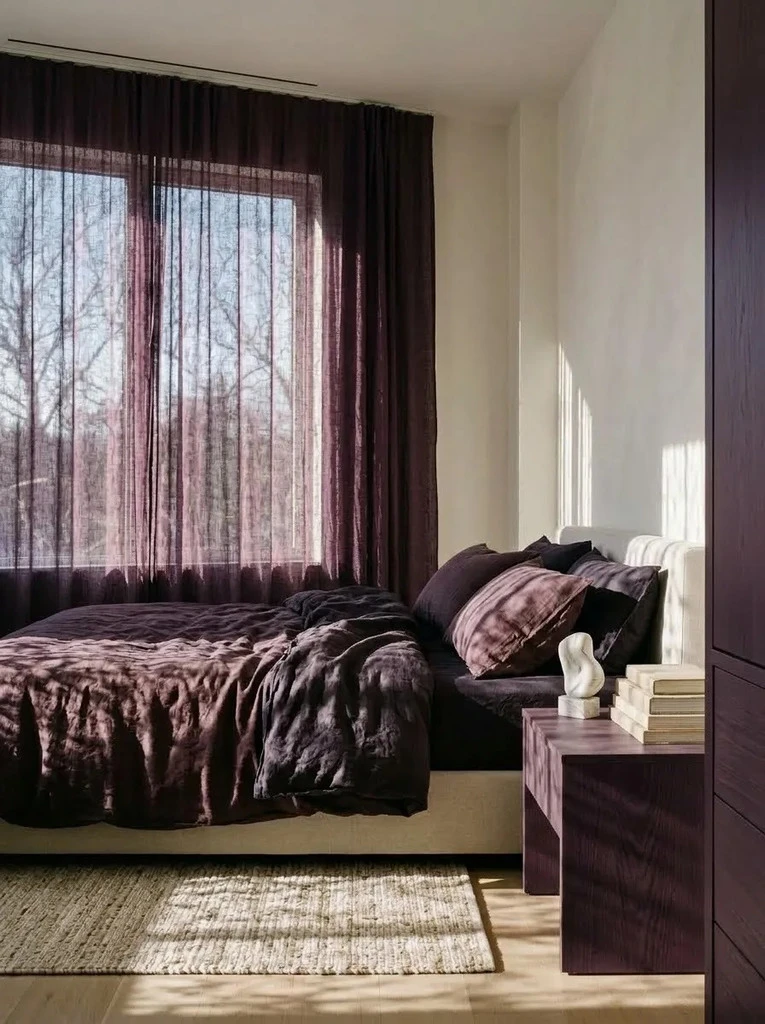
Floral Lace Layers
- Choose small floral motifs so the curtain does not overwhelm a compact room.
- Layer patterned lace over a plain sheer to give the window more depth.
- Repeat one soft curtain color in a pillow or throw for visual balance.
- Keep nearby furniture simple so the floral detail remains the focal point.
- Use lightweight fabrics to prevent the window treatment from feeling bulky.
Floral lace brings a gentle pattern into the bedroom without requiring wallpaper or expensive decorative changes. Smaller motifs tend to suit limited spaces best because they remain noticeable without becoming dominant. Keep the surrounding palette restrained, and the layered window will feel detailed, soft, and coordinated rather than overly decorative.
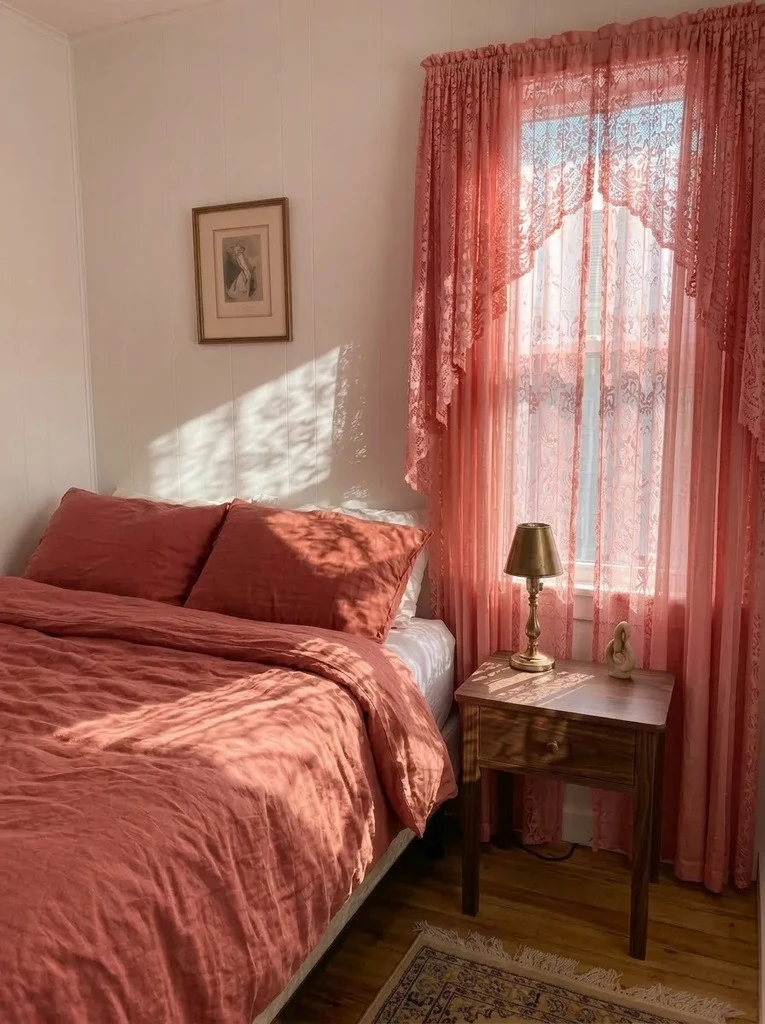
Lace Side Swags
Quick Tip:
Keep each swag narrow and lightly gathered rather than creating thick folds. Secure the fabric close to the window frame so it adds softness without covering too much glass or taking over precious wall space.
Side swags introduce a decorative curve while keeping the center of the window relatively open. They work especially well where full draping would feel too heavy. For a budget friendly update, use existing lace panels and inexpensive tieback hooks, making sure both sides hang at a similar height for a tidy result.
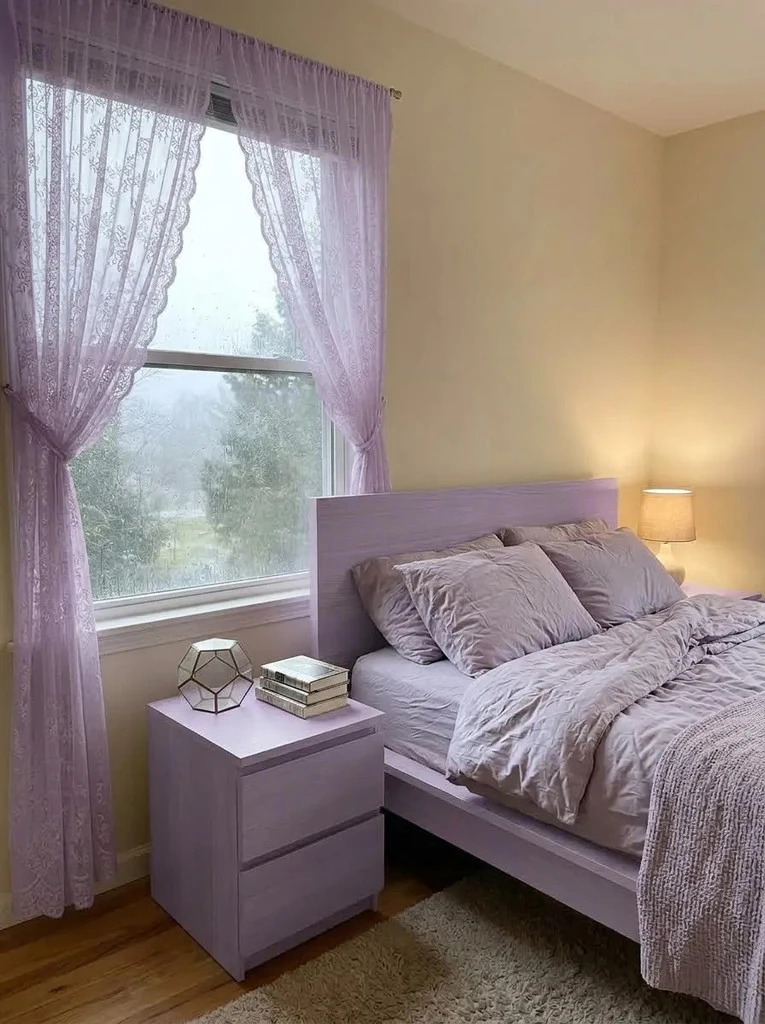
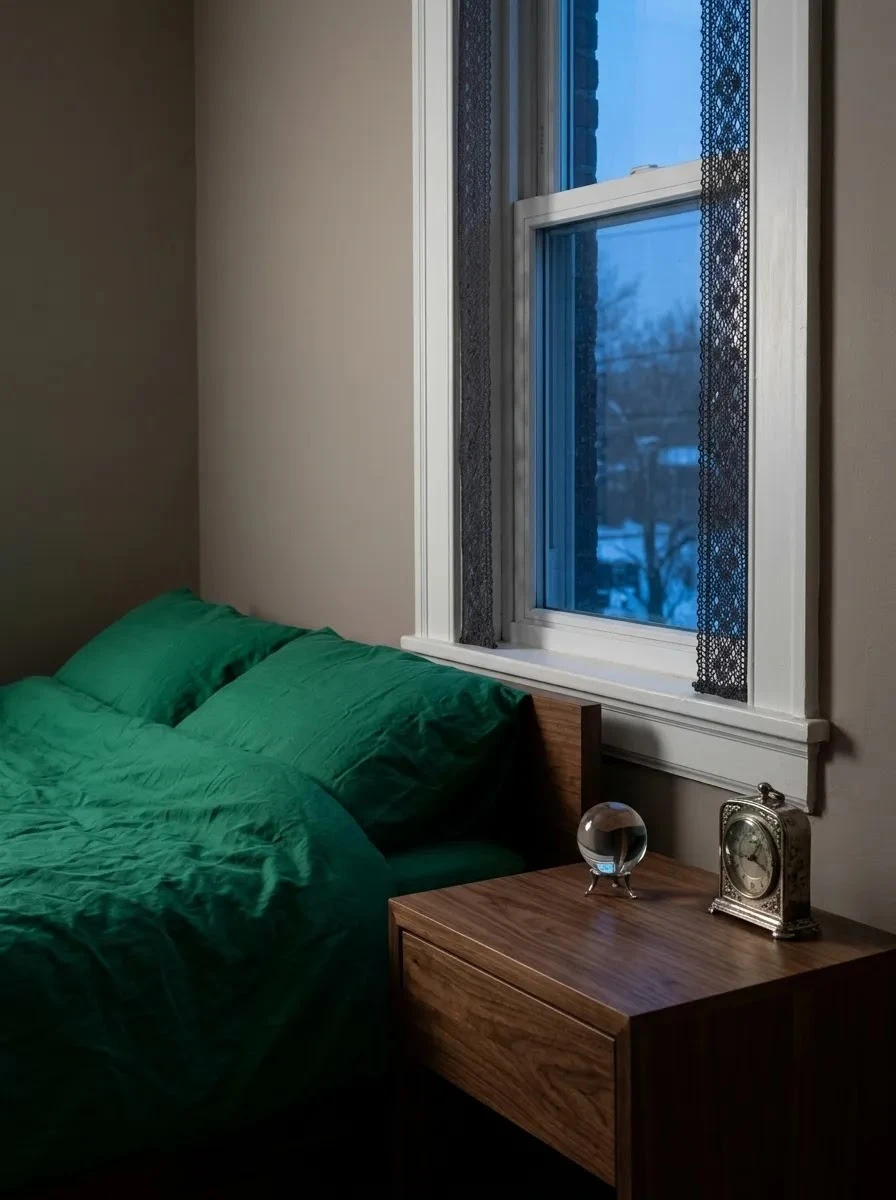
Window Frame Lace
BEFORE:
A bare window can look unfinished, but full curtain panels may crowd a desk, bed, or narrow wall beside it. Heavy treatments can also reduce valuable daylight in a compact bedroom.
AFTER:
Slim lace edging adds decorative detail around the glass while leaving most of the window open. The result feels softer and more finished without using extra floor or wall space.
This approach works particularly well for tiny bedrooms where every inch around the window matters. Choose narrow lace trim with a simple pattern and attach it evenly around the frame. The open center keeps the room bright, while the delicate border gives the window enough detail to feel intentional and polished.
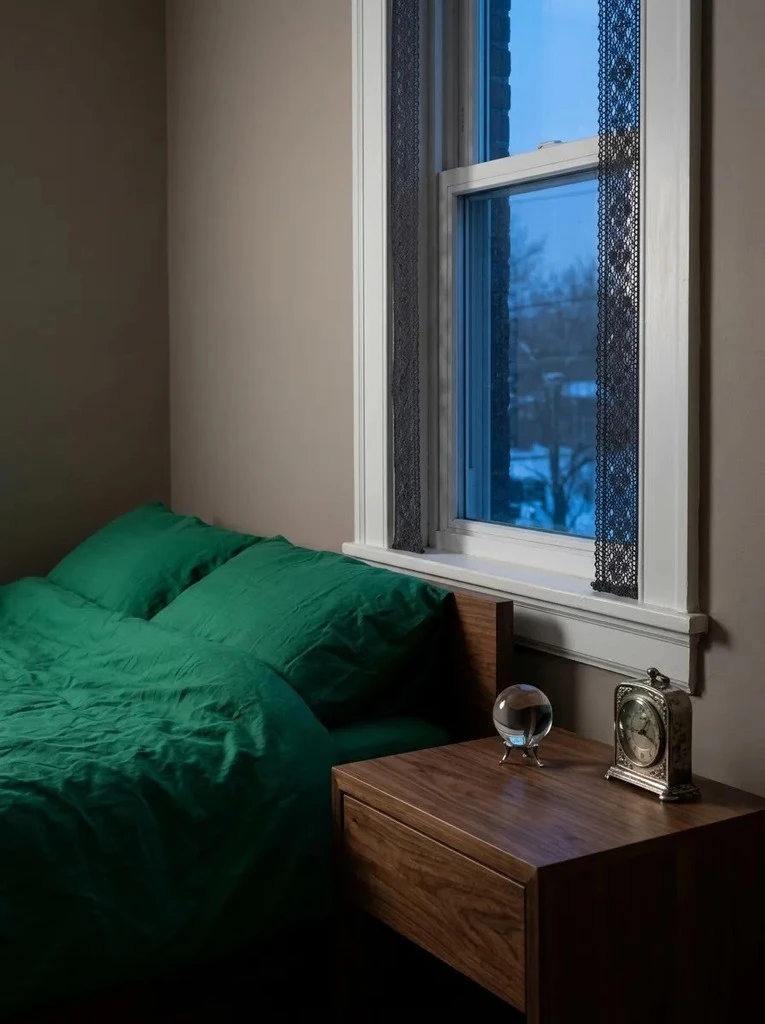
Lace Cornice Trim
- Measure the window width and add only a small amount beyond each side.
- Choose a shallow cornice so it does not project too far into the room.
- Cover it in plain linen, cotton, or soft neutral fabric.
- Hang lightweight lace beneath it with simple, even folds.
A narrow cornice gives lace curtains a more finished look without needing elaborate hardware. It also hides the rod and top attachments, which can make a small bedroom feel tidier. Keep the cornice simple and low profile so the decorative detail stays refined rather than making the window area feel top heavy.
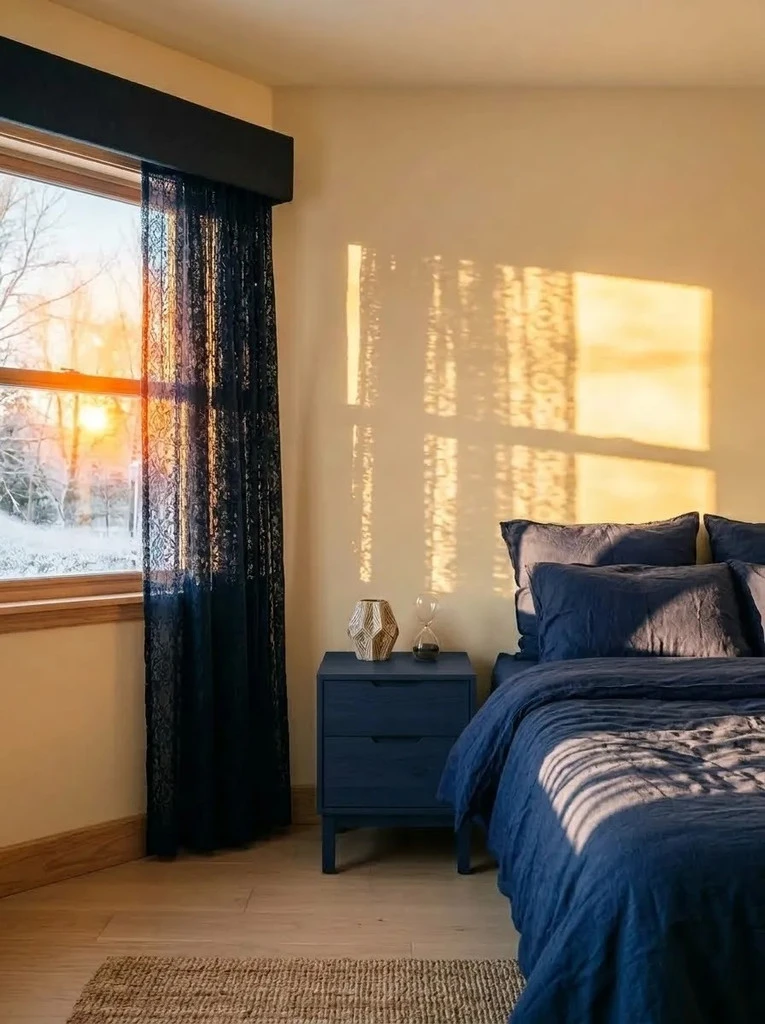
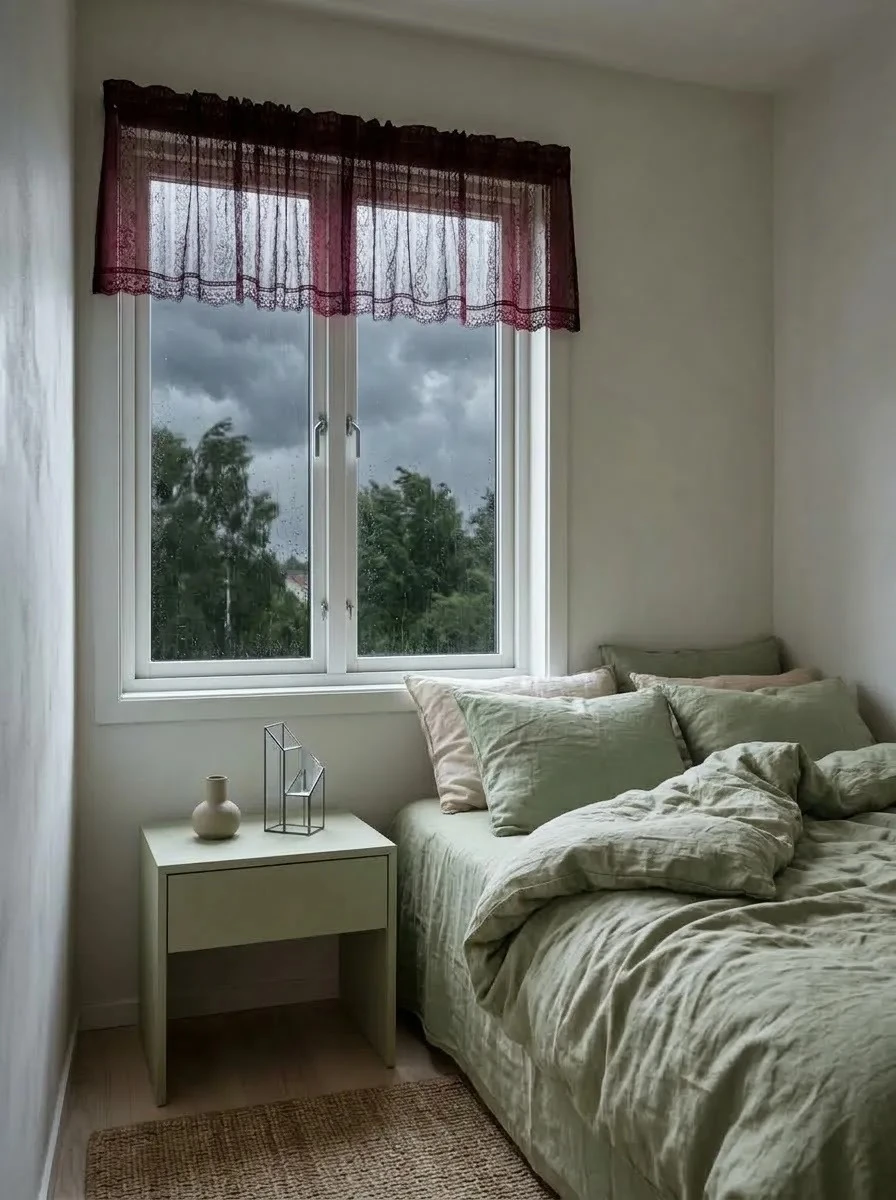
Sheer Lace Valance
| Detail | Full Lace Panel | Lace Valance |
| Coverage | Most of window | Upper section only |
| Light | More filtered | More open daylight |
| Fabric Needed | Higher | Lower |
| Best For | Privacy needs | Decorative finishing |
A lace valance is useful when you want softness without covering the whole window. It uses less fabric, costs less, and keeps daylight strong in a small room. Pair it with a blind or simple shade if privacy is needed, and keep the valance shallow so the window still feels tall.
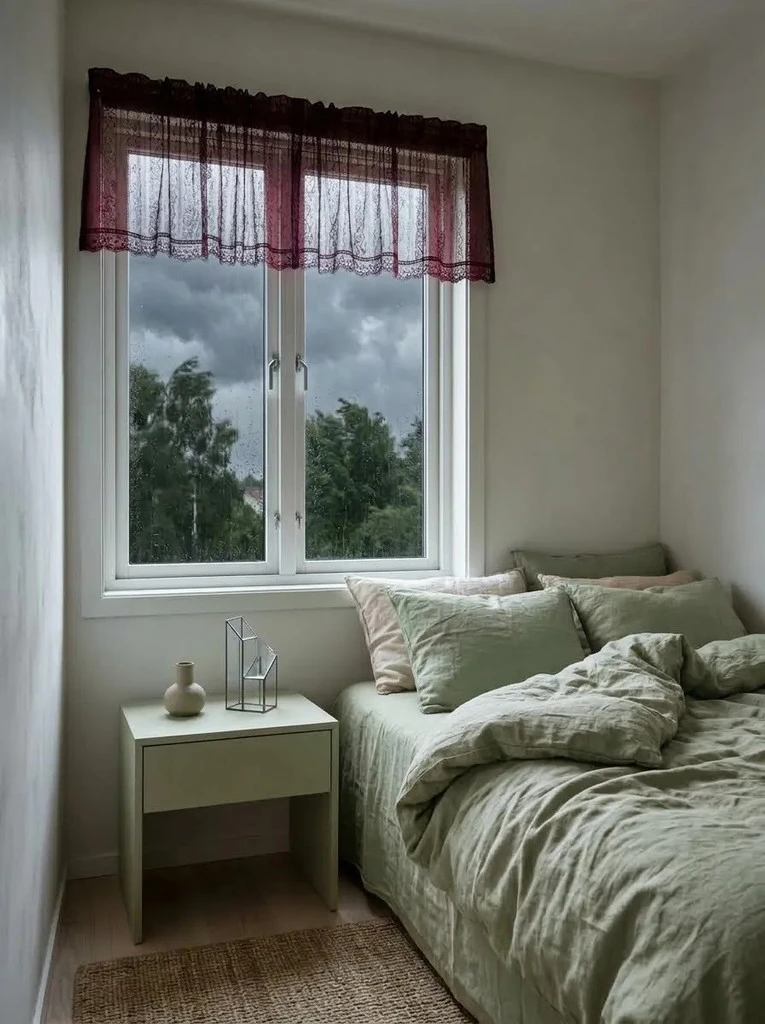
Two Tone Lace
DO
- Keep both colors soft and closely related.
- Place the lighter shade higher to preserve brightness.
- Repeat one curtain tone in the bedding or cushions.
- Use simple lace patterns so the color contrast stays refined.
DON’T
- Combine strong contrasting colors in a compact room.
- Mix several different lace motifs in one panel.
- Use dark fabric across most of the window.
- Add extra trims that compete with the two tone effect.
Two tone lace adds interest without relying on bold prints or heavy accessories. A pale upper section keeps the window bright, while a muted lower tone introduces color near the bed and furniture. This works best in small bedrooms where you want a little contrast but still need the room to feel calm and open.
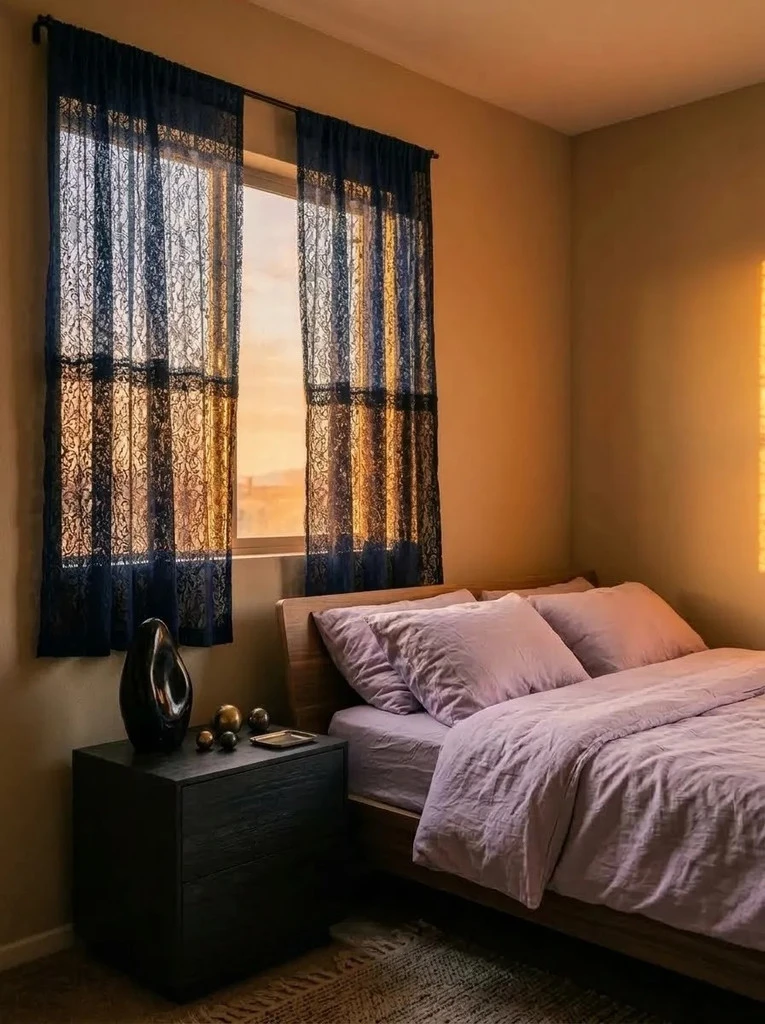
Lace Privacy Panels
Cost: Low
Skill Level: Beginner
Best For: Street facing bedrooms
Result: Softer privacy with natural light
Privacy panels are useful when a bedroom window faces neighbors, a walkway, or another nearby building. Covering only the area that needs screening allows more daylight to enter from above. Choose medium density lace with a close pattern so the lower section feels private without making the whole window appear heavy or closed.
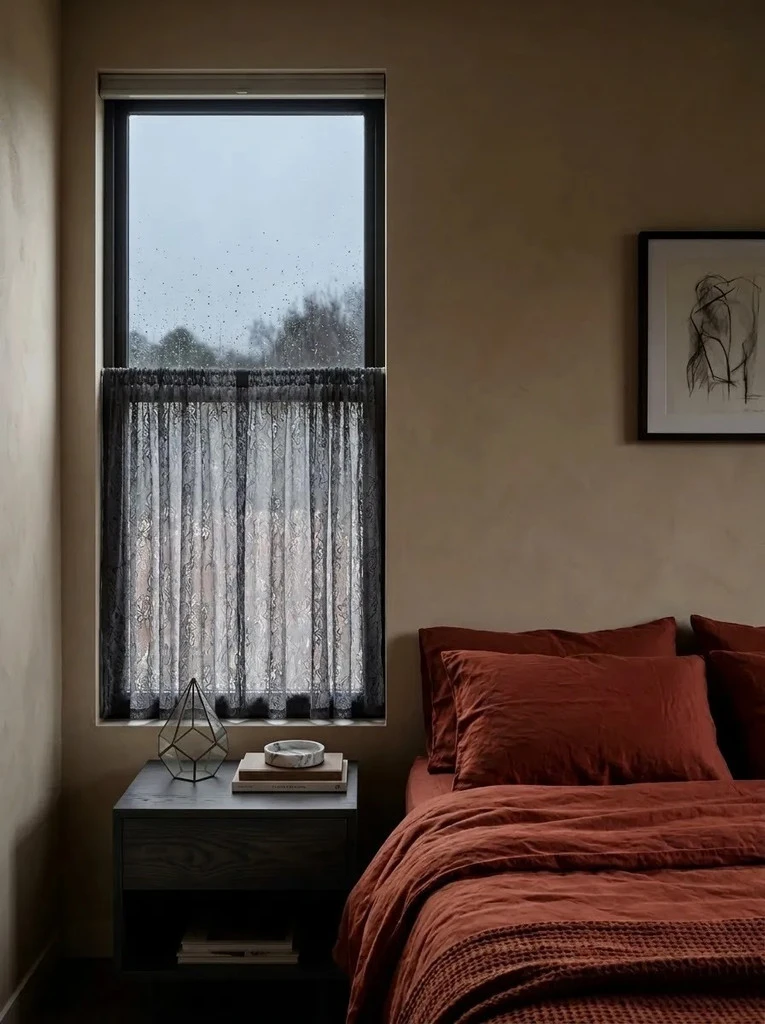
Eyelet Lace Panels
Eyelet tops help lace panels fall into even vertical folds, giving the window a cleaner look with very little adjustment. They are especially practical for beginners because the curtain slides easily along the rod. Choose small eyelets in brass, matte nickel, or white to suit the room’s existing hardware.
In a compact bedroom, neat folds matter because bulky gathers can make the window feel crowded. Lightweight lace keeps the eyelet structure soft while still looking organized. I’ve noticed this style works best when the curtain width is generous enough to form folds but not so wide that excess fabric bunches beside the frame.
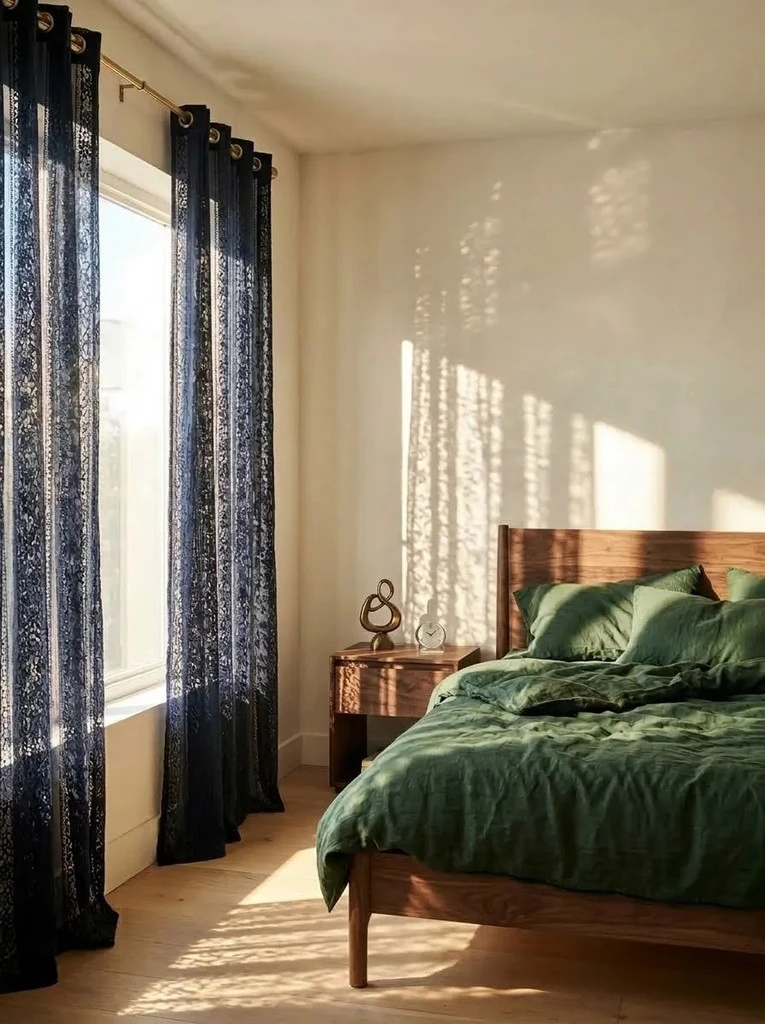
Lace Bedside Window
- Choose a narrow panel that stays within the window area rather than spreading behind the bedside table.
- Use a short projection rod so the curtain does not interfere with lamps or decor.
- Select lightweight lace to keep the corner visually open.
- Keep the panel slightly above the floor if the nightstand sits very close to the fabric.
- Use a simple pattern so the small bedside area does not feel busy.
Windows positioned directly beside a bed can be difficult to dress without crowding the furniture. A slim lace treatment softens the glass while preserving usable bedside space. Keep hardware compact and check that the curtain can move freely behind nearby objects, especially lamps, charging cords, and frequently used drawers.
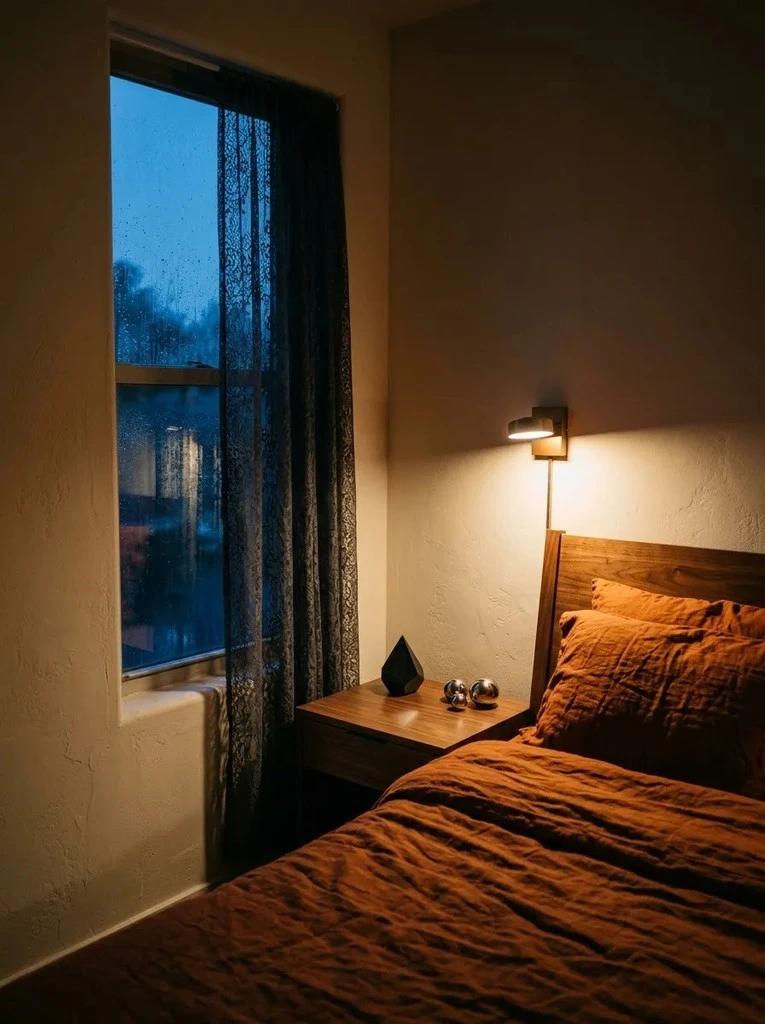
Pleated Lace Header
Quick Tip:
Keep the pleats shallow and evenly spaced so the top of the curtain looks structured without becoming bulky. Lightweight lace works best because heavy fabric can make a detailed header appear stiff in a compact room.
A pleated header gives delicate lace a cleaner, more tailored finish while still preserving its softness. It works particularly well when the rest of the bedroom has simple furniture and solid bedding. Choose discreet hooks and a slim rod so the pleating becomes the detail rather than the curtain hardware.
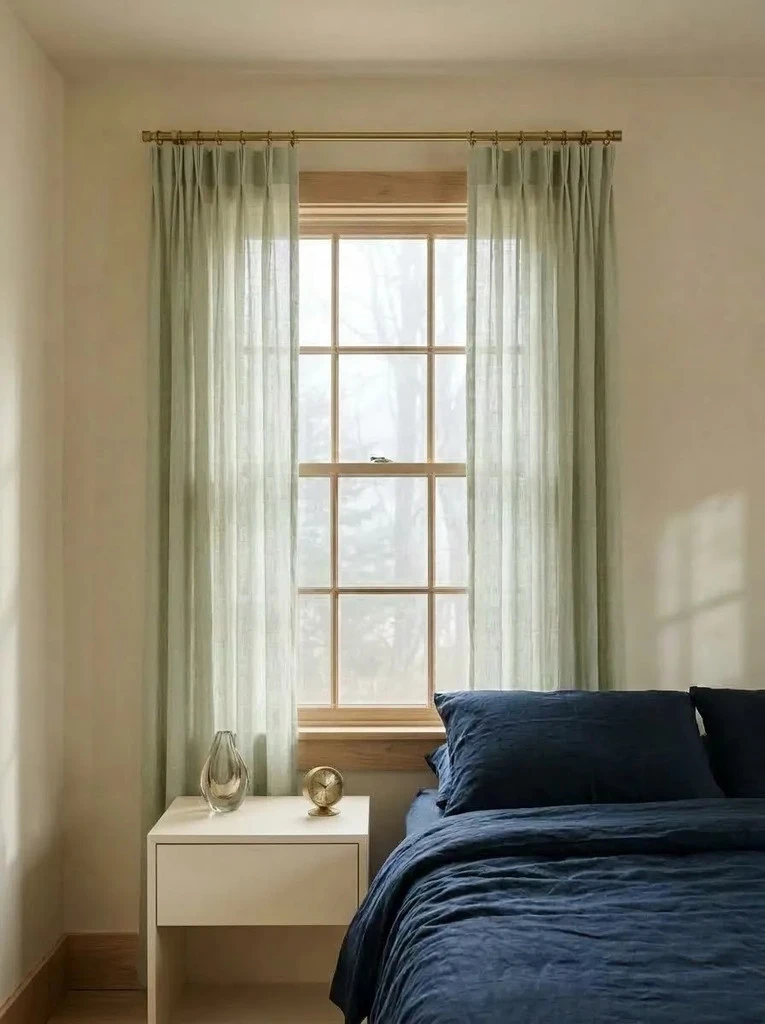
Lace Shade Pairing
BEFORE:
A roller shade alone provides useful privacy but can make the window feel plain and functional. In a softly decorated bedroom, the hard straight edges may also look disconnected from layered bedding and textured fabrics.
AFTER:
Slim lace panels soften both sides of the shade while keeping its practical light control. The window gains texture and warmth without adding a thick second curtain layer.
This combination is useful for homeowners who need privacy at night but still want delicate detail during the day. Keep the lace panels narrow and let the roller shade handle most of the coverage. Selecting similar cream or beige tones helps both treatments look intentional rather than like separate additions.
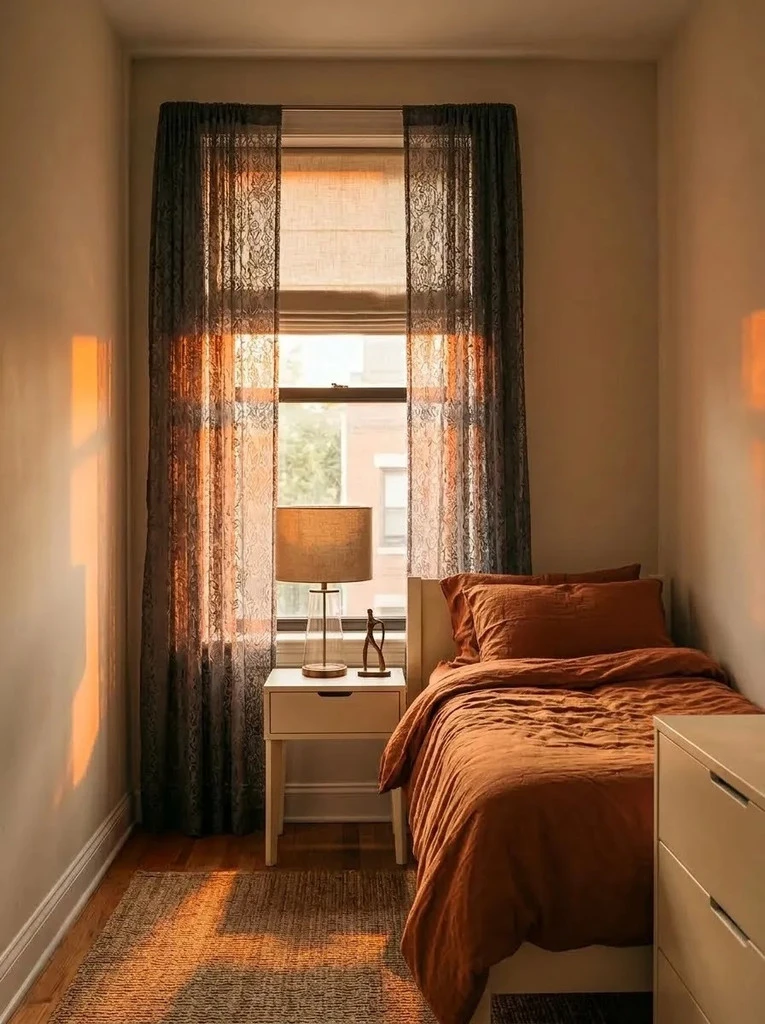
Tension Rod Lace
- Measure the inside width of the window recess carefully before choosing the tension rod.
- Select a lightweight rod that fits securely without screws or permanent brackets.
- Thread a thin lace panel onto the rod and spread the gathers evenly.
- Position the rod high inside the recess to keep as much glass visible as possible.
A tension rod offers a simple way to hang lace without drilling into walls or window frames. It is especially useful for renters, beginners, or anyone working with a limited decorating budget. Keep the fabric lightweight and check the rod regularly so it stays secure as the curtain is opened and adjusted.
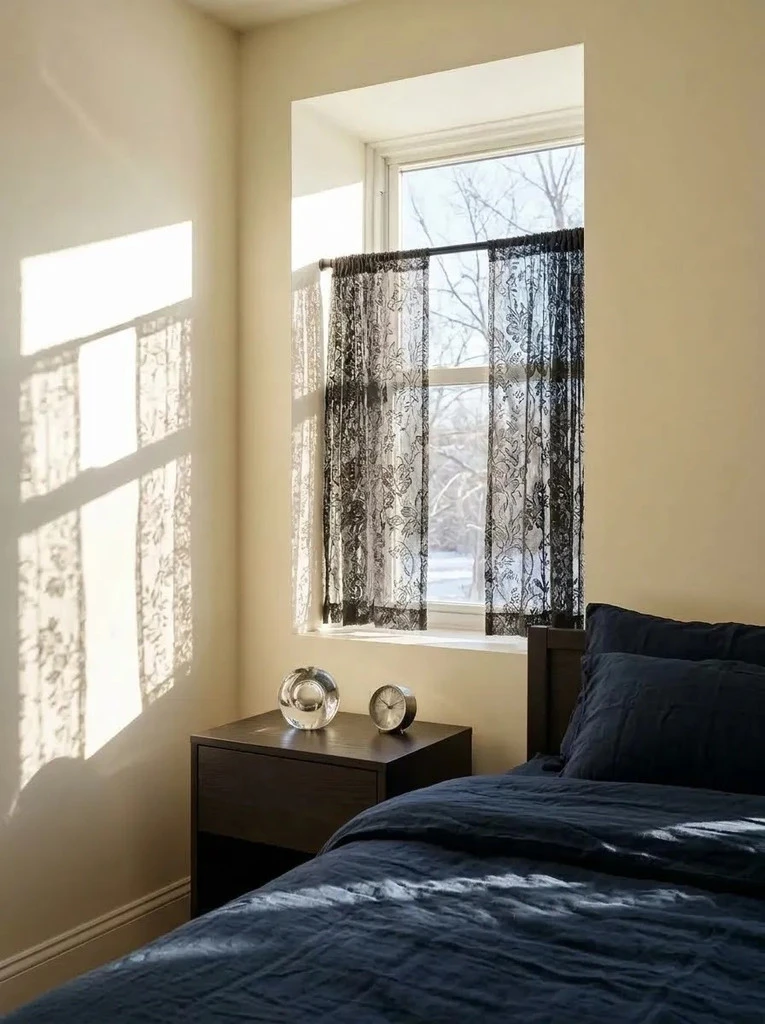
Lace Curtain Clips
Quick Tip:
Space the clips evenly across the curtain top so the lace hangs in balanced folds. Lightweight fabric works best because heavy lace can pull unevenly and make the top edge sag.
Curtain clips make it easy to hang lace panels without sewing a rod pocket or adding complicated hardware. They are especially useful for beginner decorators who want a quick update on a small budget. Choose simple metal finishes that match nearby lamps or handles so the window treatment feels coordinated.
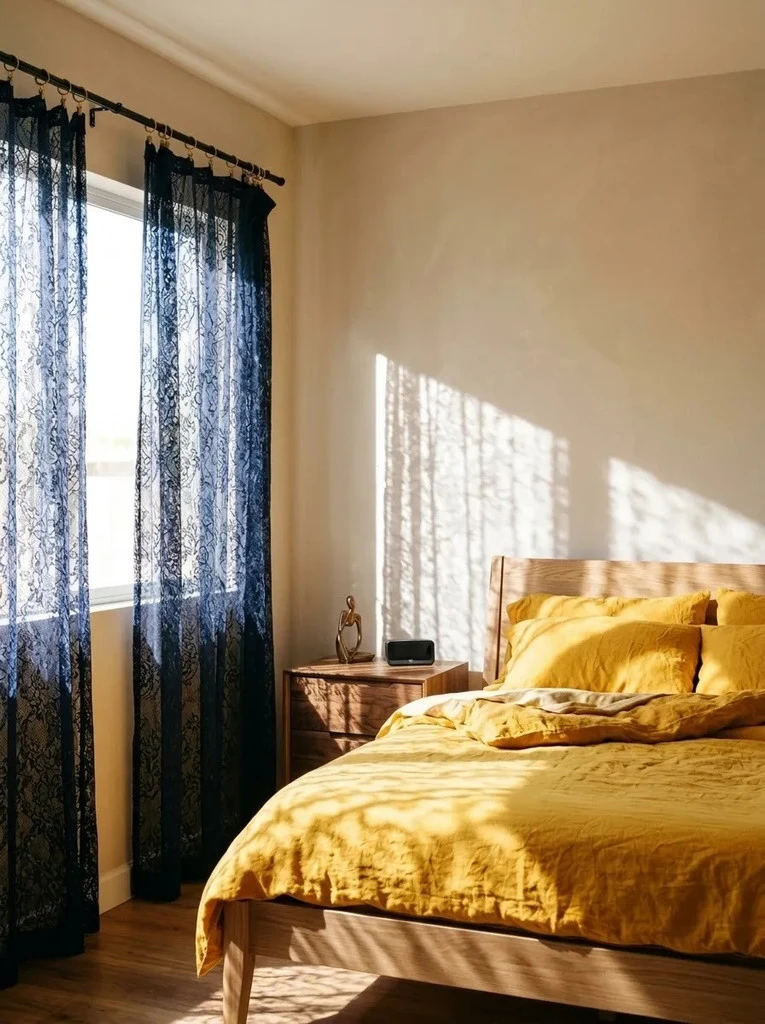
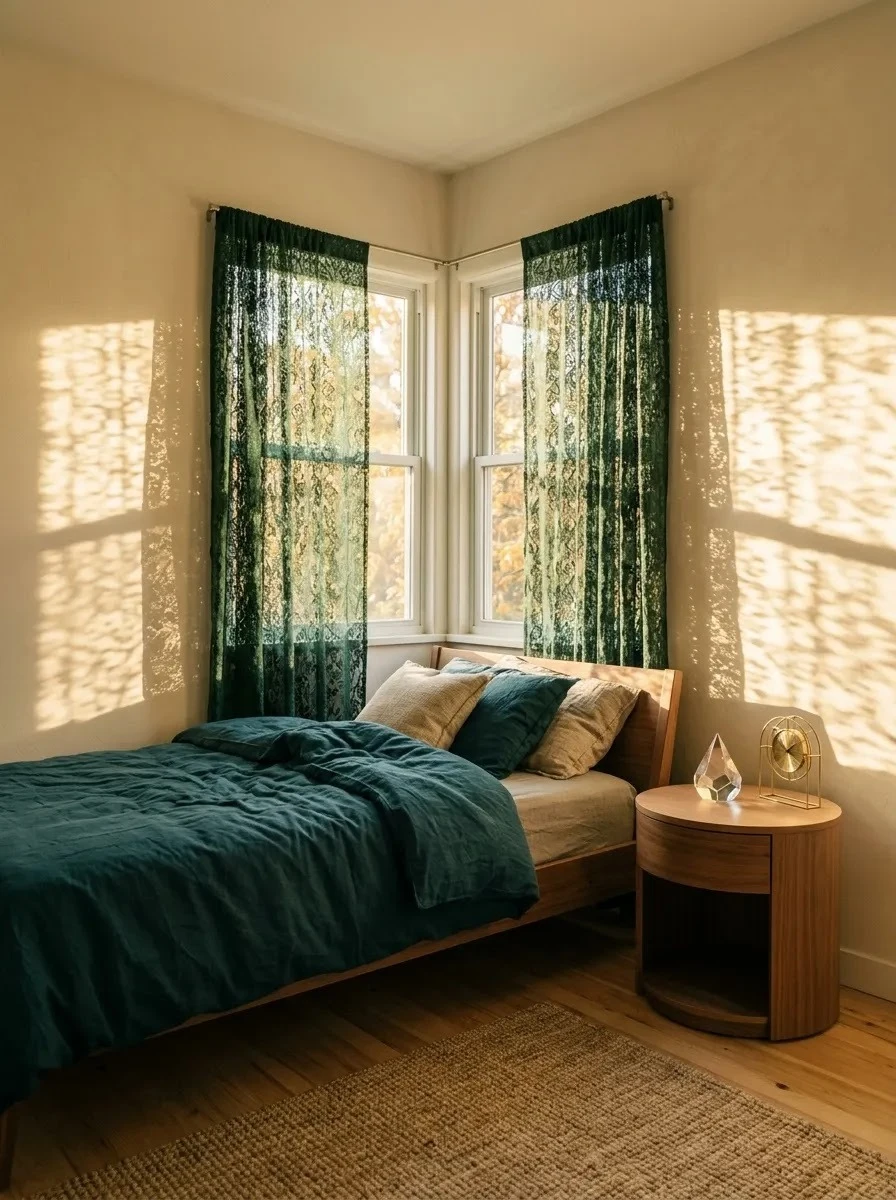
Lace Corner Window
BEFORE:
A corner window can feel awkward when two separate curtain treatments compete for space. Bulky rods and heavy fabric may also crowd the wall junction and block useful daylight.
AFTER:
Matching lightweight lace panels create a softer connection between both windows. Slim hardware keeps the corner visually open while the repeated fabric makes the arrangement feel more intentional.
Corner windows already bring extra light into a small bedroom, so the curtain choice should protect that advantage. Keep both sides consistent in color, length, and pattern. A simple floral or geometric lace works well here because it adds detail without interrupting the natural brightness from either direction.
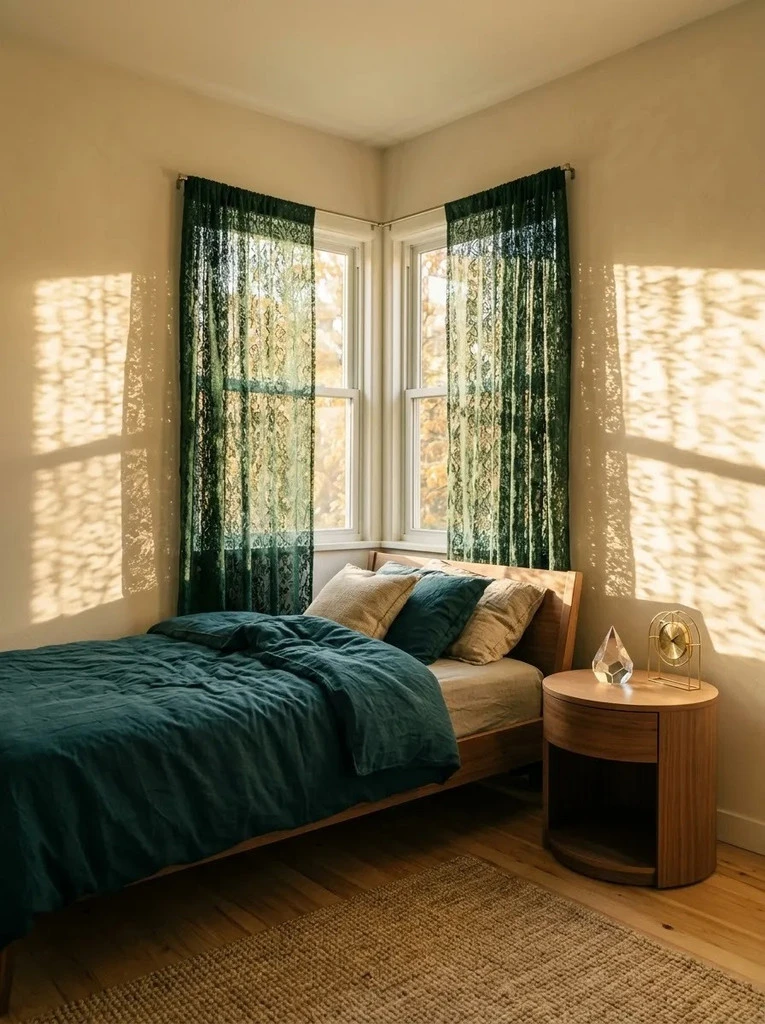
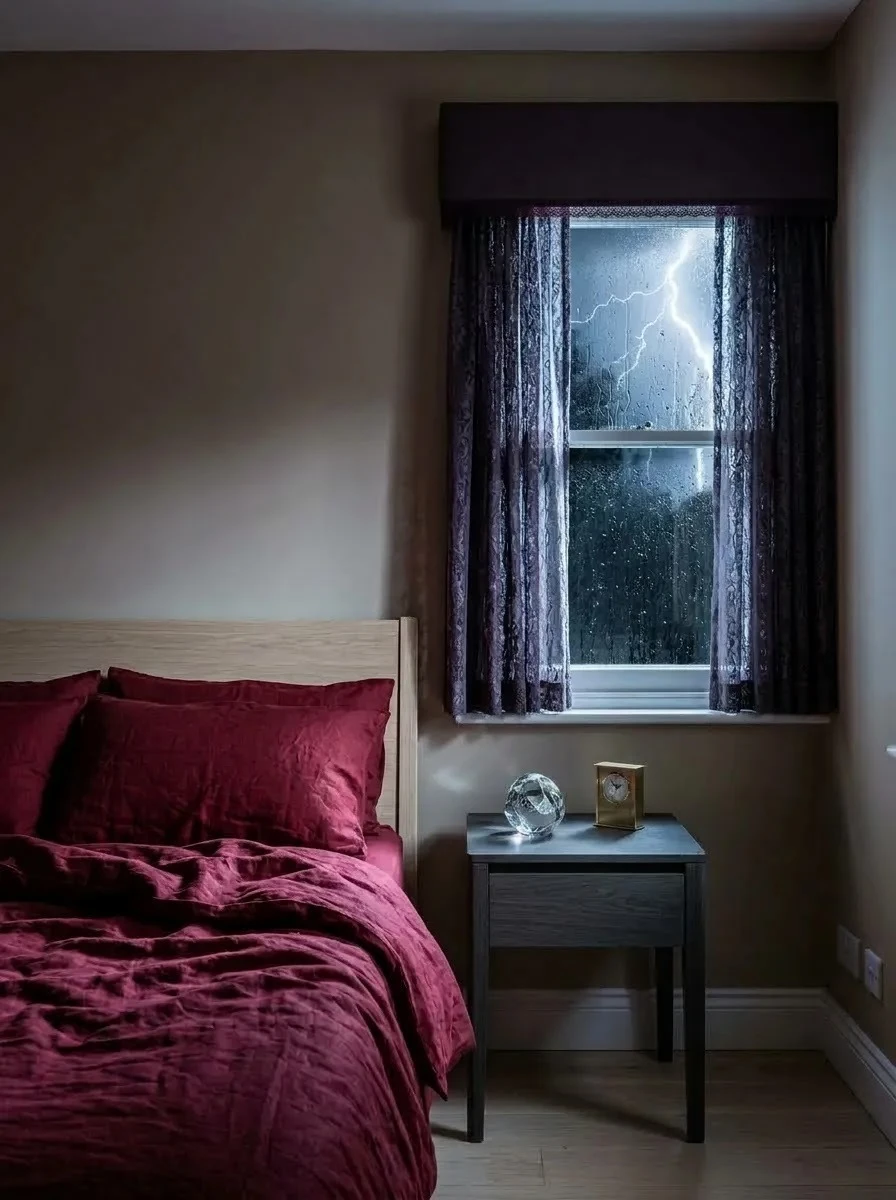
Lace Pelmet Accent
- Measure the window and keep the pelmet only slightly wider than the curtain rod.
- Choose plain fabric in cream, beige, or another soft bedroom neutral.
- Attach a narrow lace trim along the lower edge for delicate contrast.
- Mount the pelmet high enough to preserve the window’s visual height.
- Keep the remaining curtain treatment simple so the lace detail stays noticeable.
A lace trimmed pelmet gives the top of the window a finished decorative edge without covering much glass. It works best when the bedroom already uses soft fabrics and restrained colors. Keep the trim narrow, since oversized lace can make a compact room feel overly formal or visually crowded.
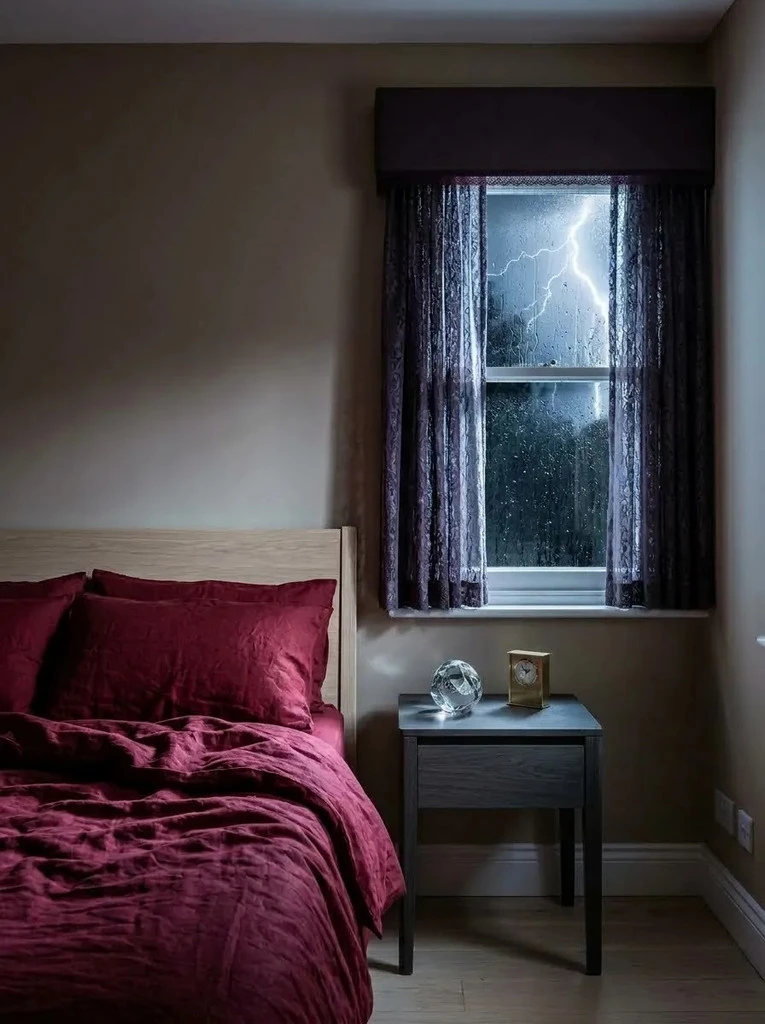
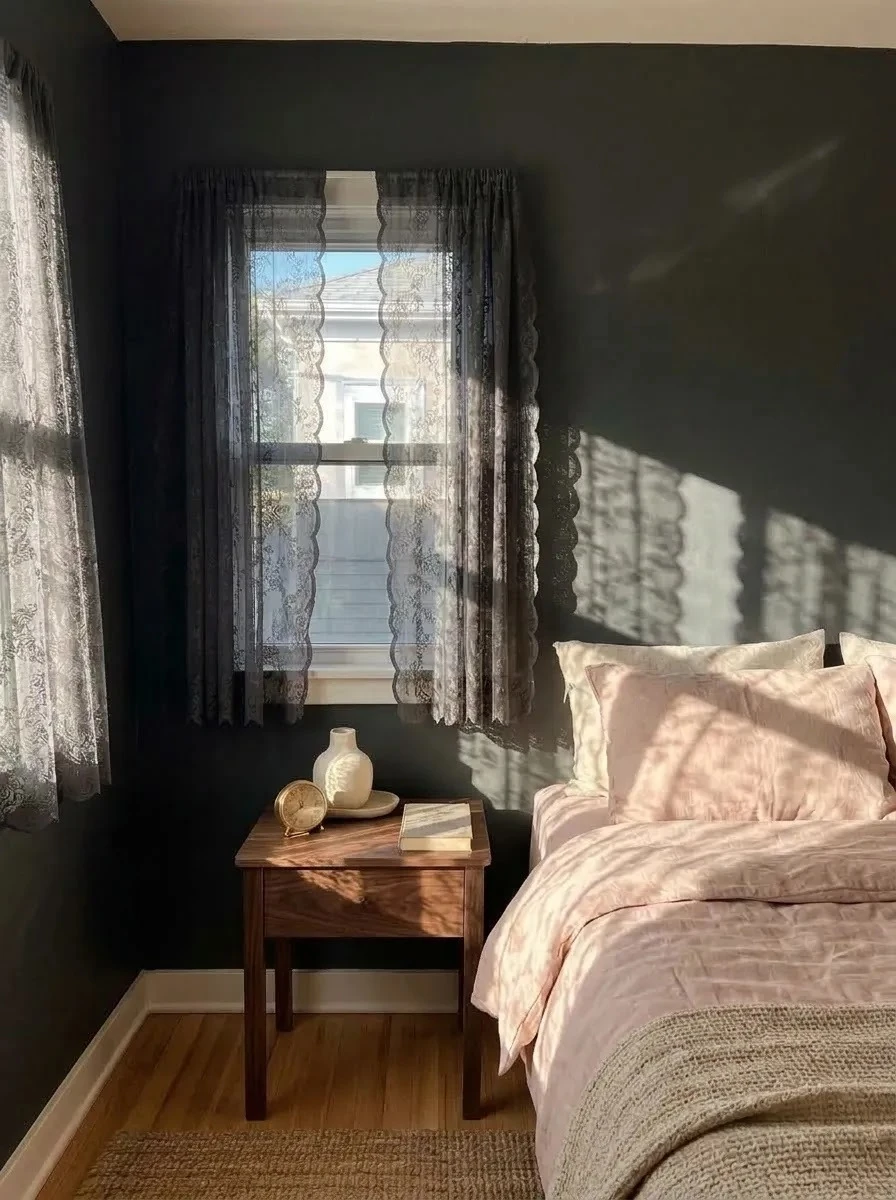
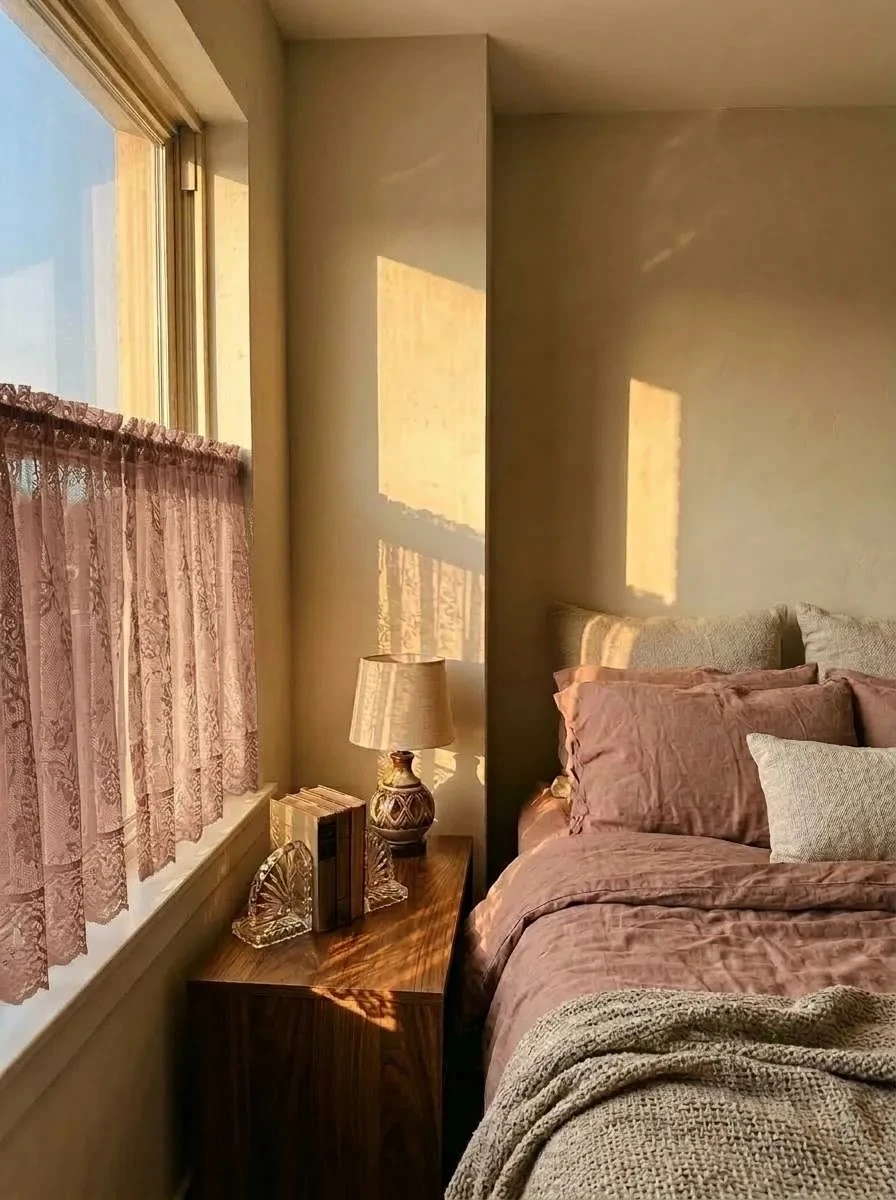
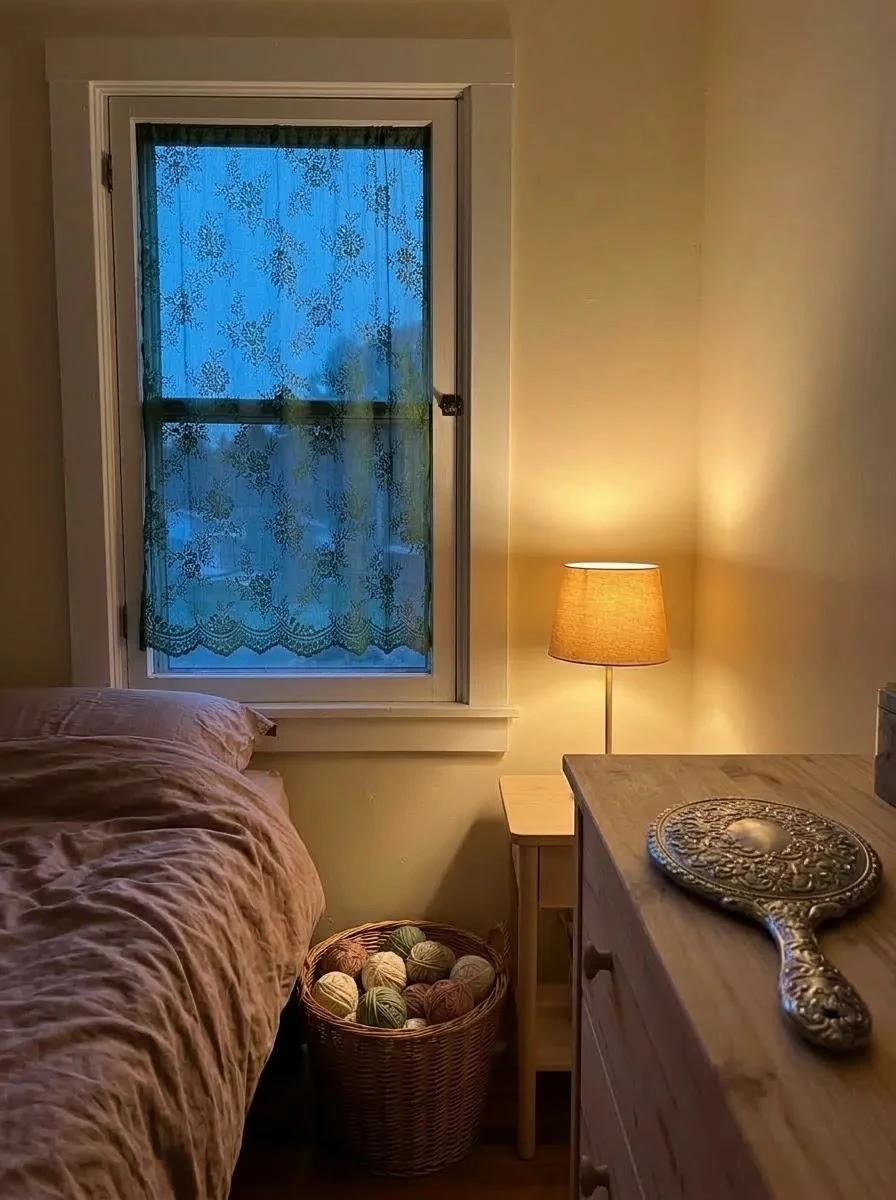


Conclusion
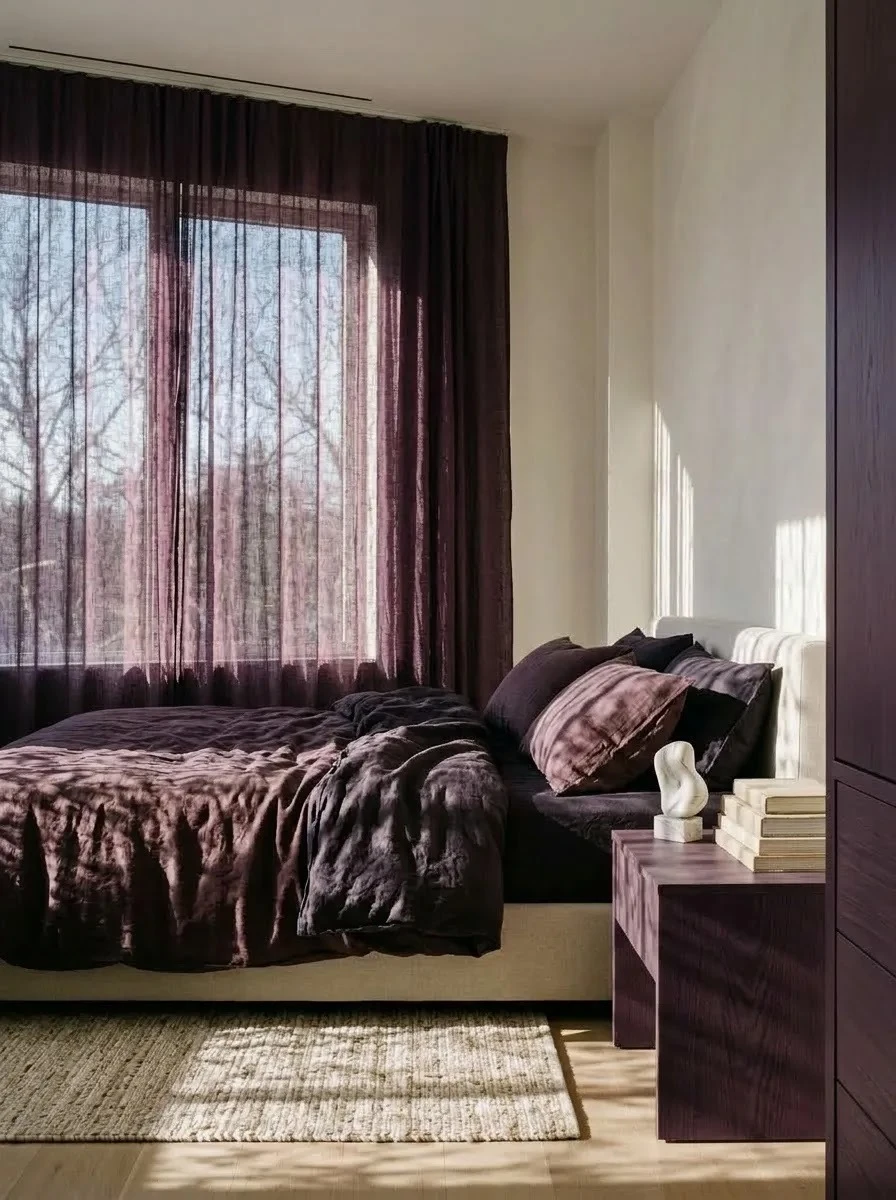
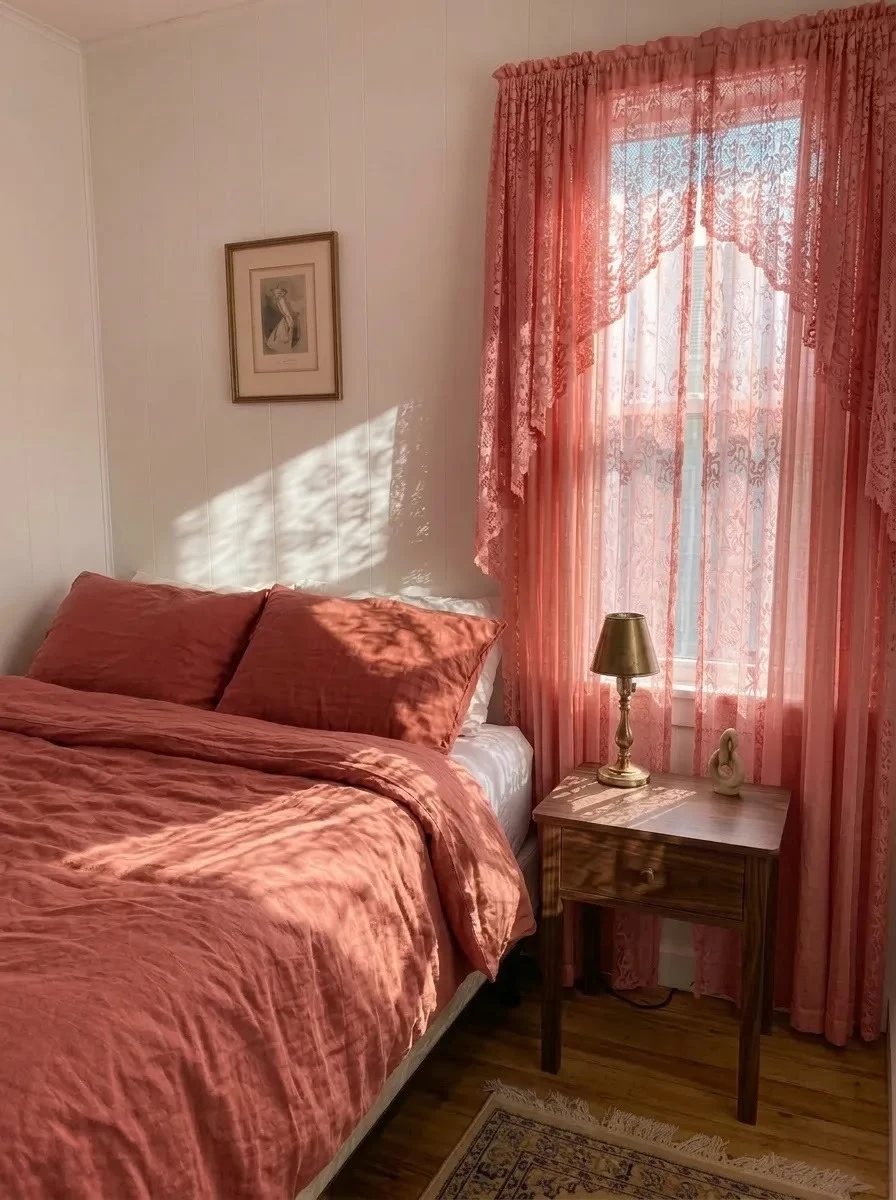
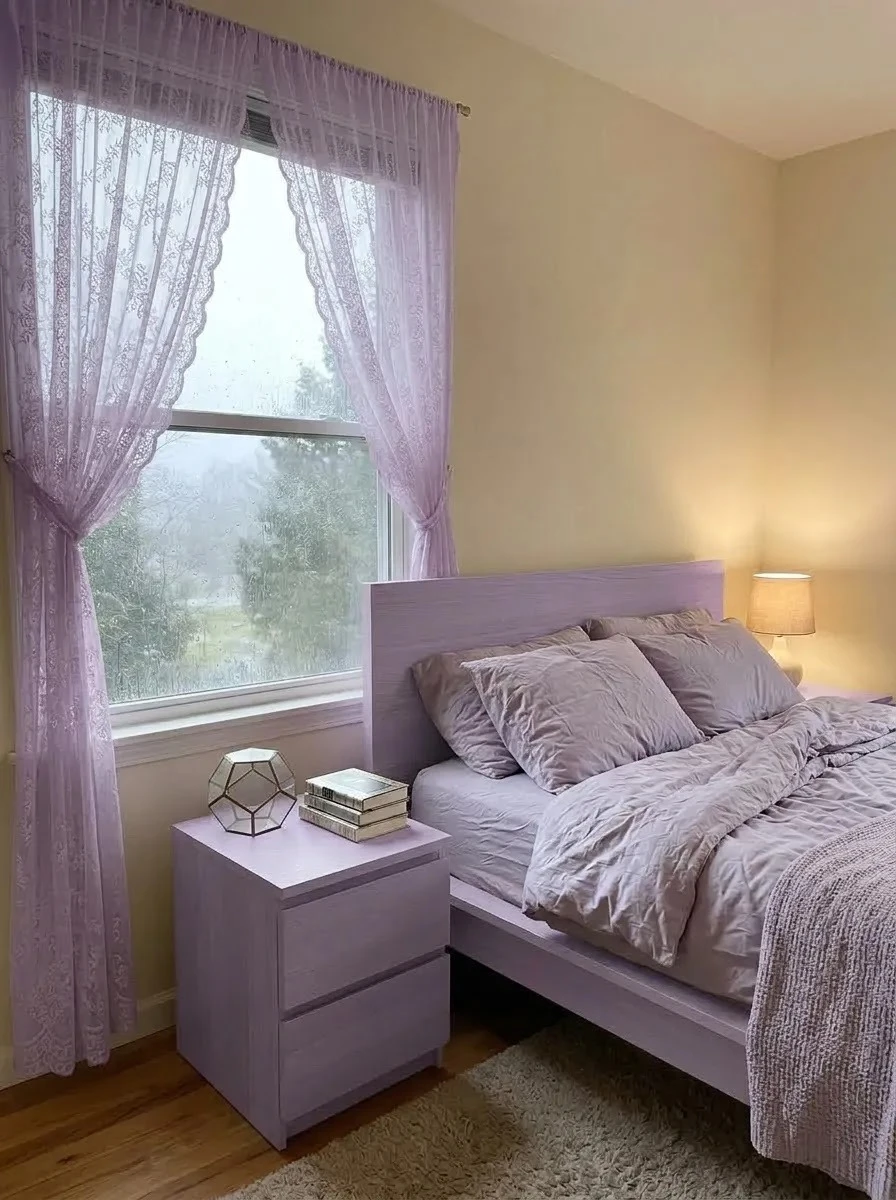
Delicate curtains can bring softness, privacy, texture, and personality into a small bedroom without requiring a major decorating budget. These Lace curtains bedroom ideas give you plenty of ways to work with different windows, color schemes, and decorating styles while keeping the room light and welcoming.
I’ve noticed that even a simple change such as adding lace trim, lighter panels, or better layering can make a bedroom feel much more thoughtfully finished. Choose one or two ideas that suit your space and give them a try. Save this post on Pinterest for future inspiration, and share it with someone who would love an affordable bedroom refresh.